

Sharing the value of water with the communities we serve
The District engages in sustainability education and outreach activities to tell the story of water and empower community members to protect water. Our education and outreach efforts span from meaningful installations at the plant to interactive initiatives across the community. We’re continually working to cultivate water connections and deepen water stewardship in the area through innovative means.
Quick links: In the Community | At the Plant | Catalytic Projects
In the Community
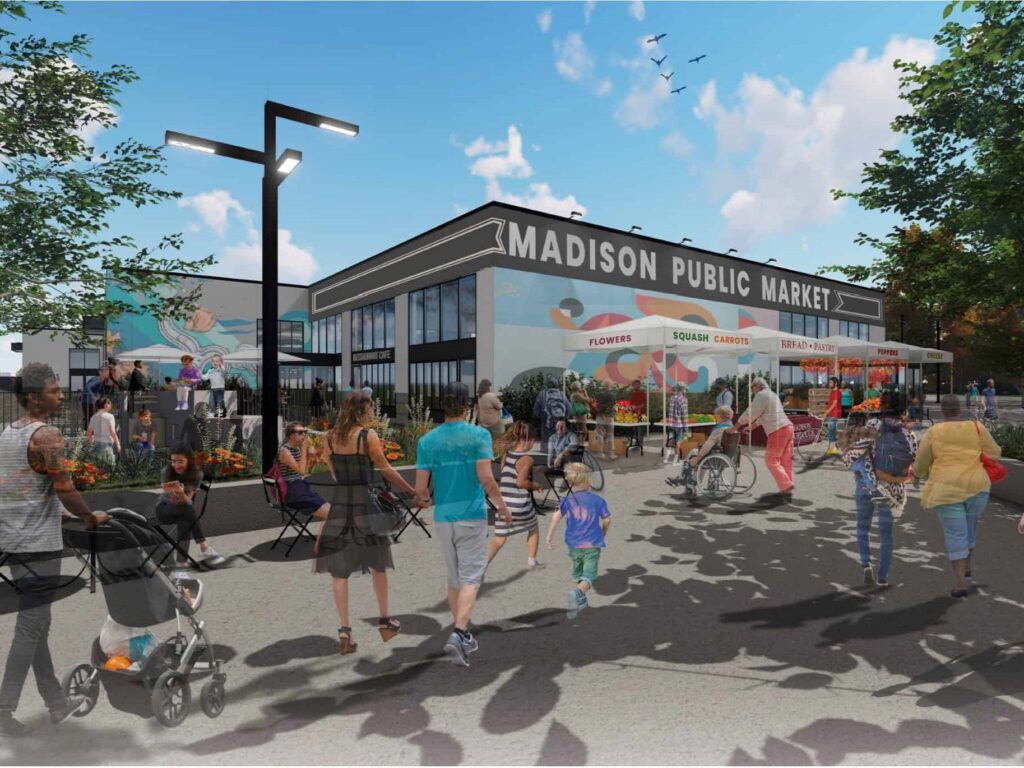
Bathrooms at the Madison Public Market
The bathrooms in the Madison Public Market have been uniquely designed to serve as learning lavatories or P(ee)SAs. This collaborative project invites visitors to learn about where water goes after being used, the infrastructure and processes needed to create clean water and ways everyone can play a part in protecting our shared water resources.
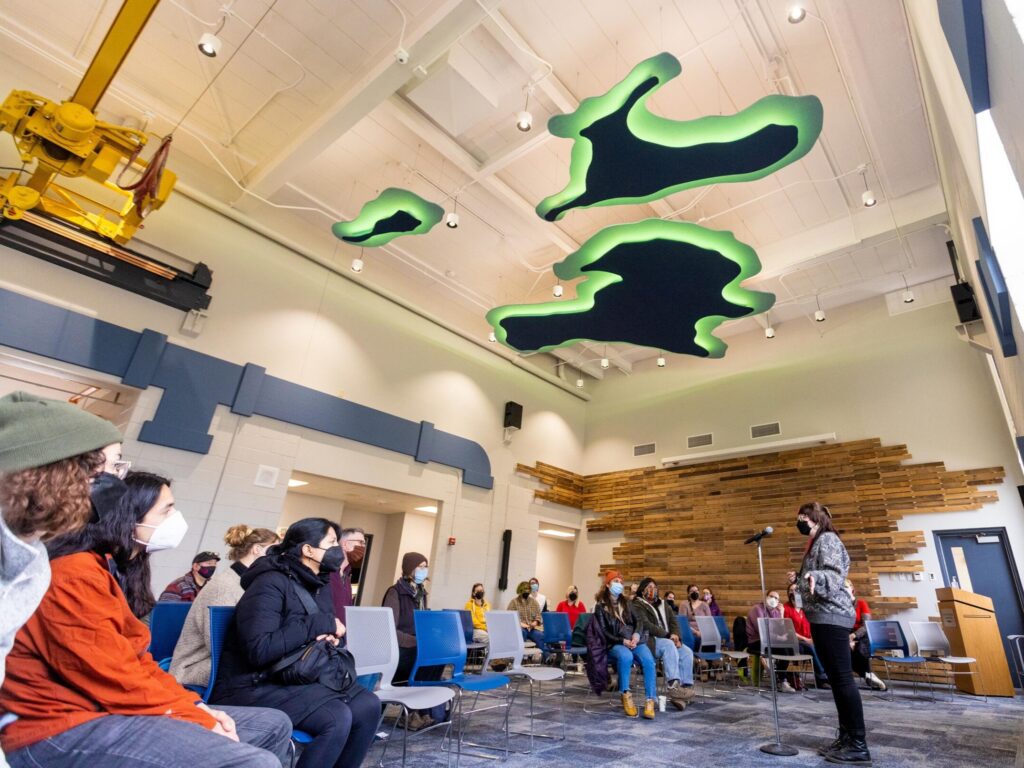
Artist/Educator in Residence Program
In 2022 and 2023, the District held an artist/educator in residency program to teach through interactions, hands-on experiences and engage in conversations that challenge social norms and conventional thinking. nipinet landsem was selected as the inaugural artist in 2022. They engaged the community through a series of events, conversations and social media. Personal water connections uncovered during the residency were captured and shared through printed illustrations and zines. Charles Payne worked throughout 2023 with community-based organizations to build water advocates through a water-advocacy curriculum, newsletters and storytelling events.
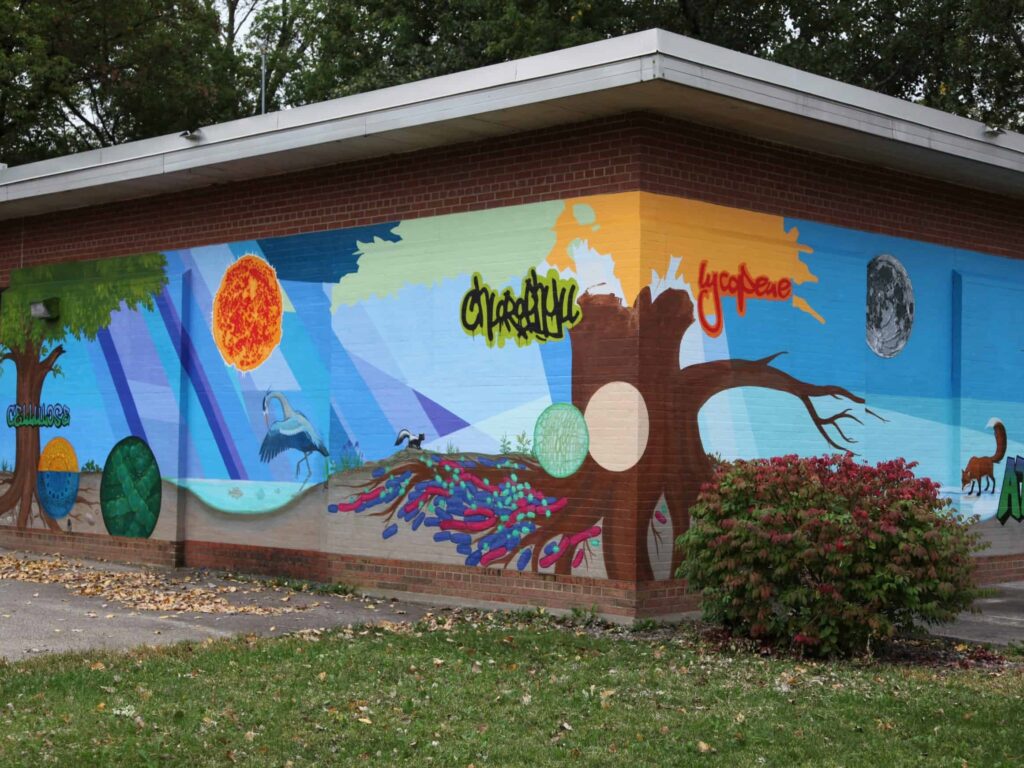
Murals on Pumping Stations
District Pumping Station #8 was selected as a site for one of the Wisconsin Institute of Discovery Science to Street Art murals. The exterior walls of the pumping station were transformed by artists Ingrid Kallick and Mario Fregoso a map of microbiology and molecular structure in collaboration with UW-Madison scientists Dr. Jo Handelsman and Dr. Zach Wickens. The final design includes “hidden” (think glow-in-the-dark paint) messages about wastewater or what is going on behind the brick walls at that pumping station.
Community-generated Photo Booth
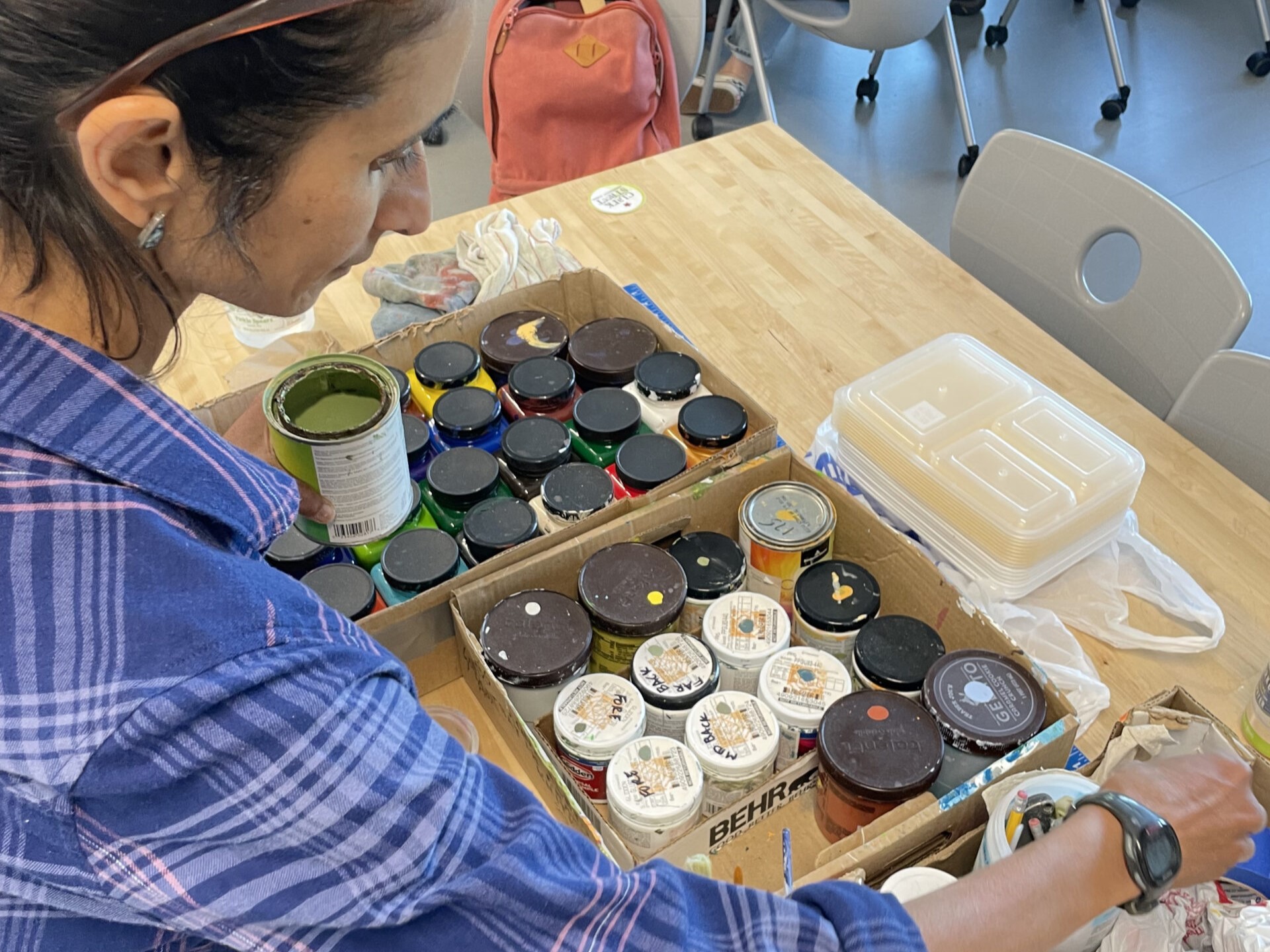
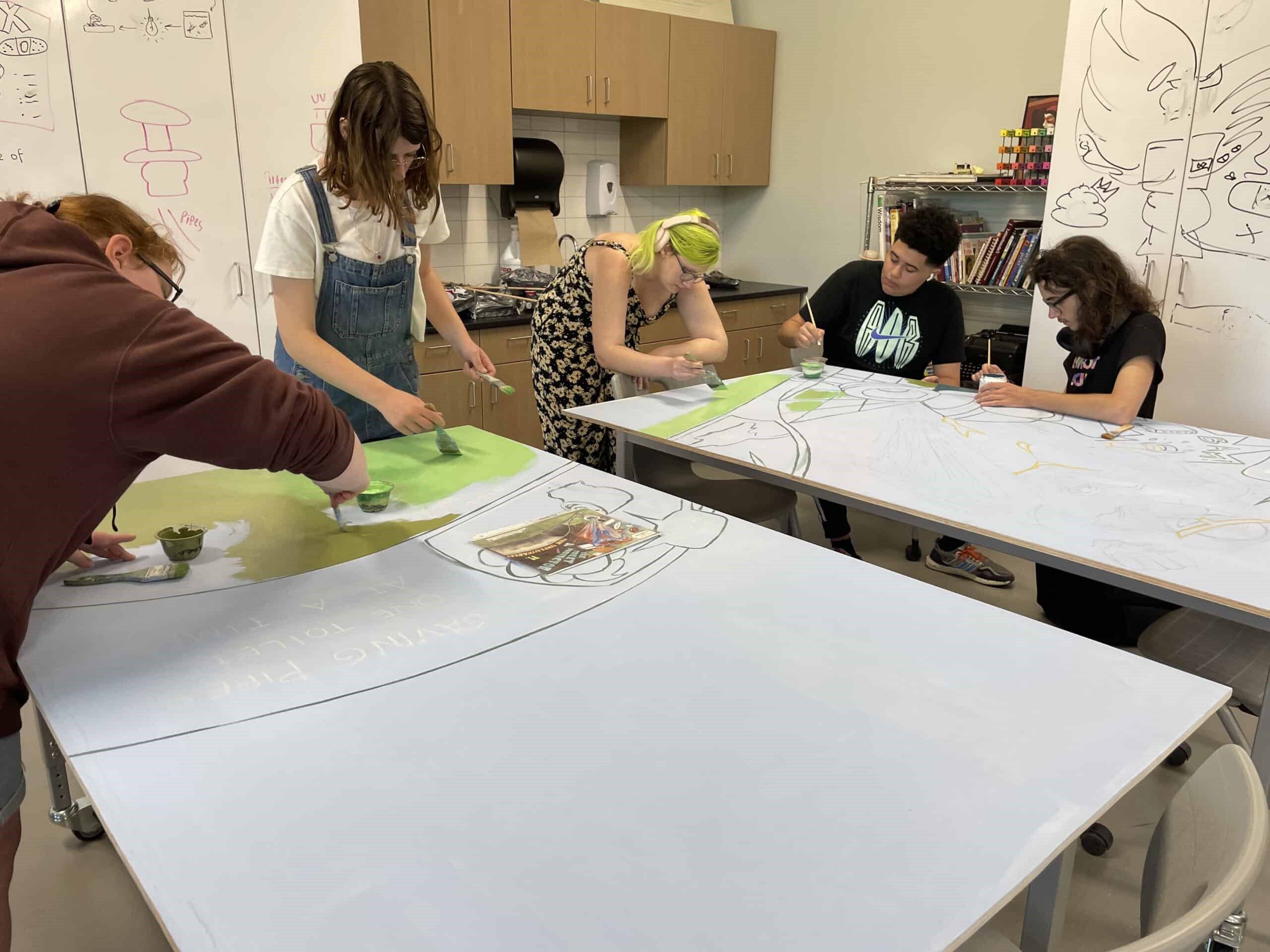
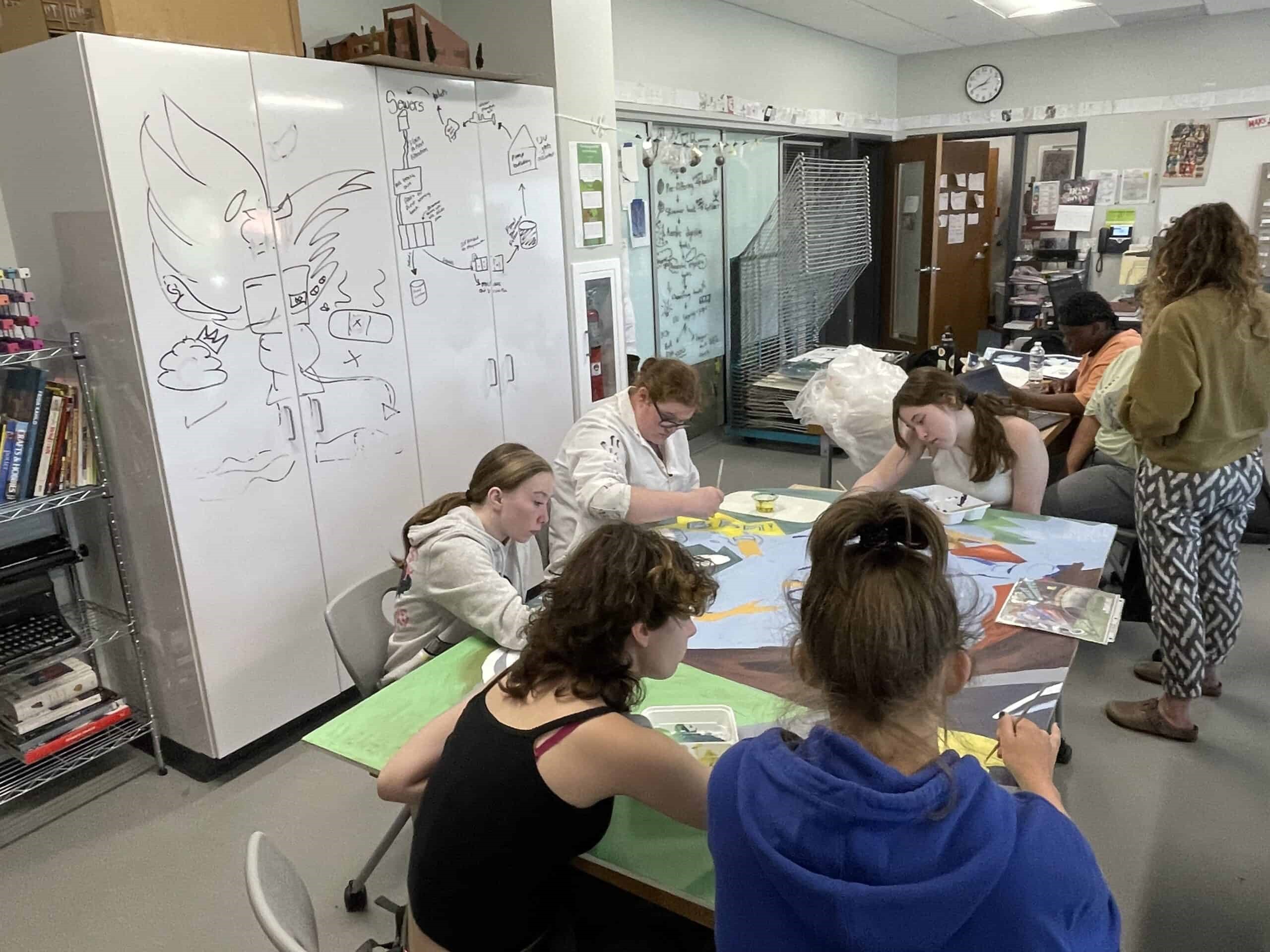
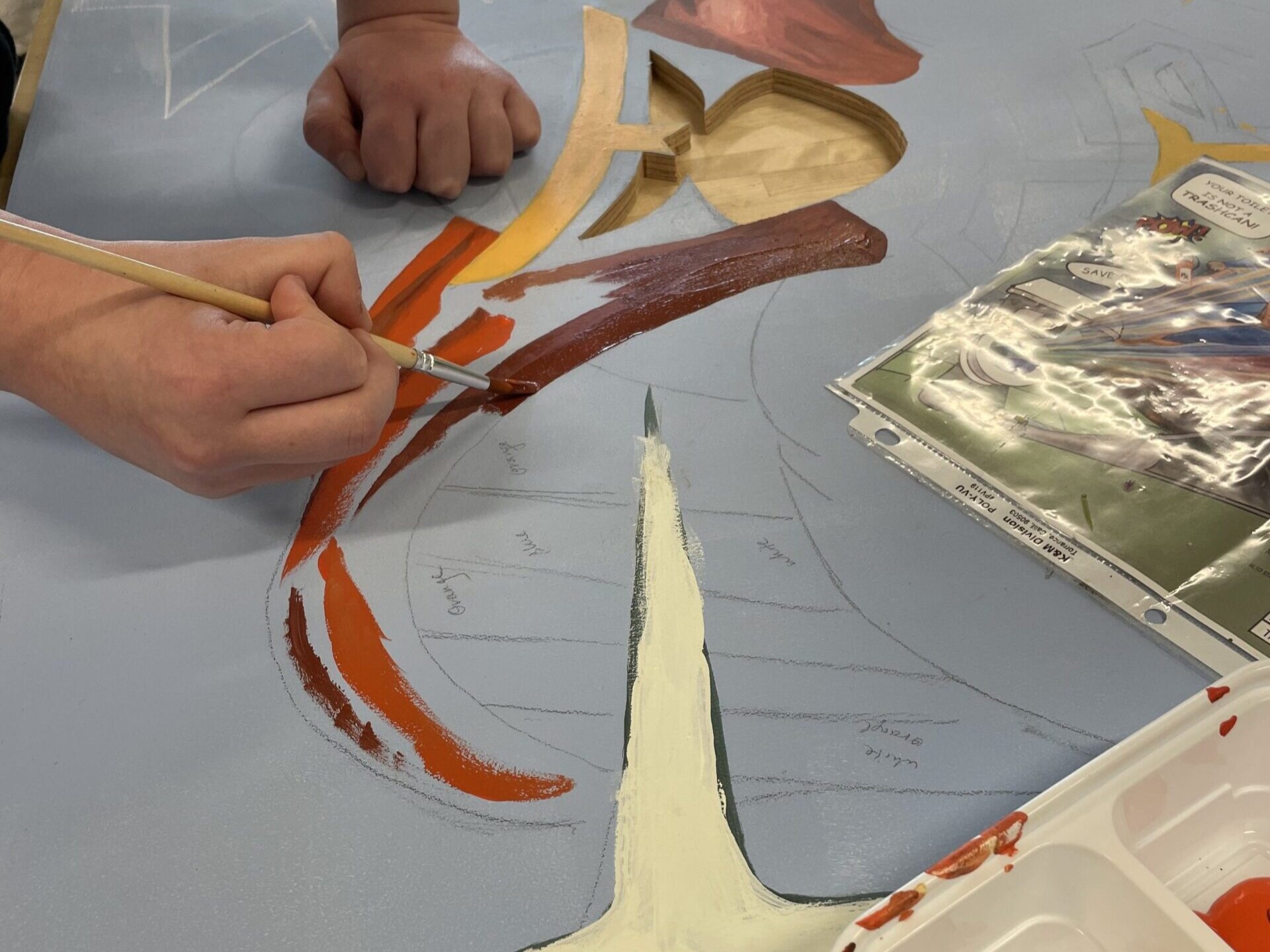
In 2023, teaching artist Sonya Sankaran, with local teachers Robyn Roberts and Corinne Neil, facilitated conversations with students at Clark St. Community School in Middleton as part of a water-themed literacy learning series that created a ‘photo booth’ outreach exhibit. Students toured the treatment plant, created toilet-related art and poetry, conducted brainstorming and sketching exercises to develop concepts and then painted the photo board. The board is currently housed in the District’s Shop One building and is used for special community events.
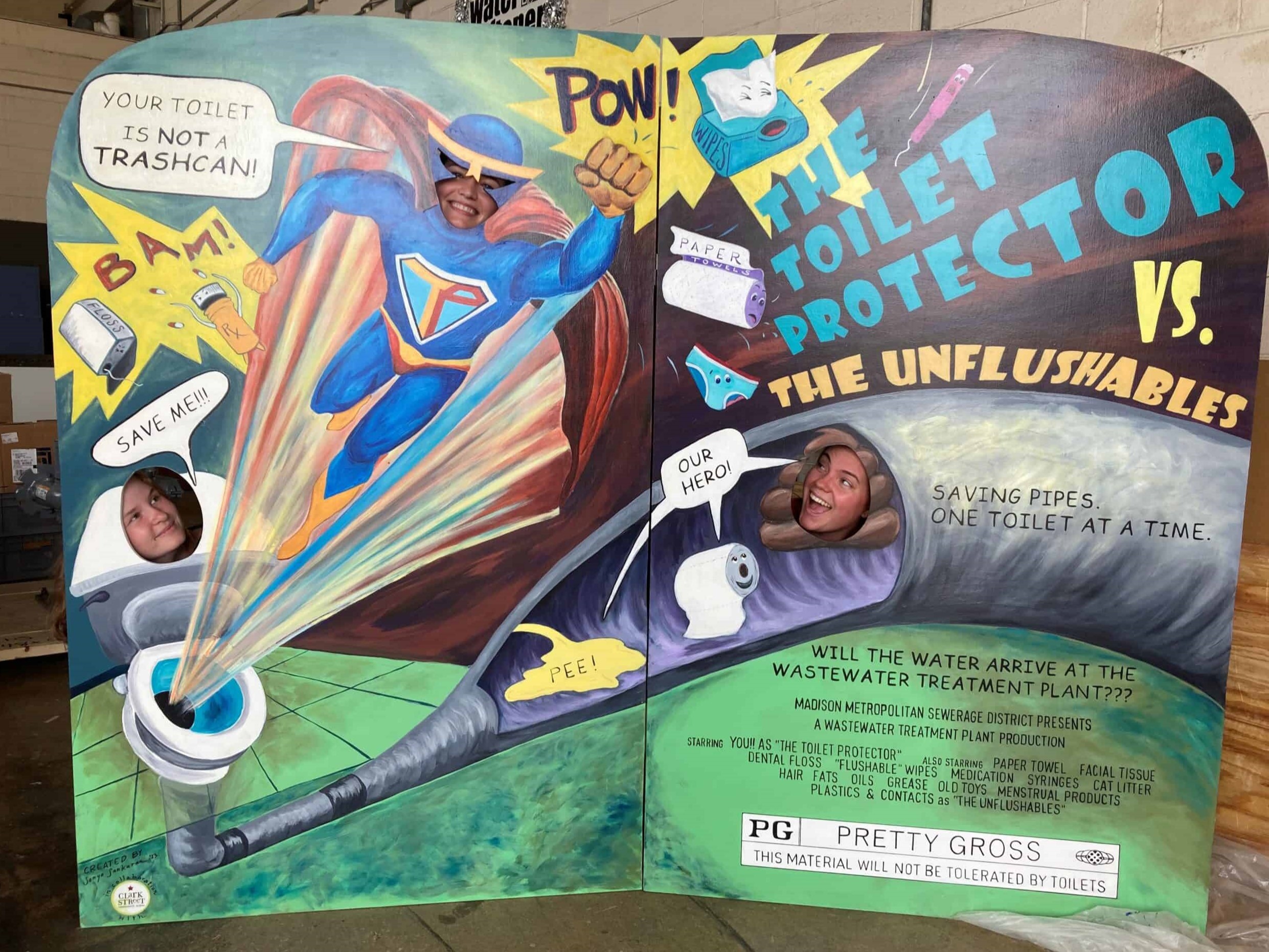


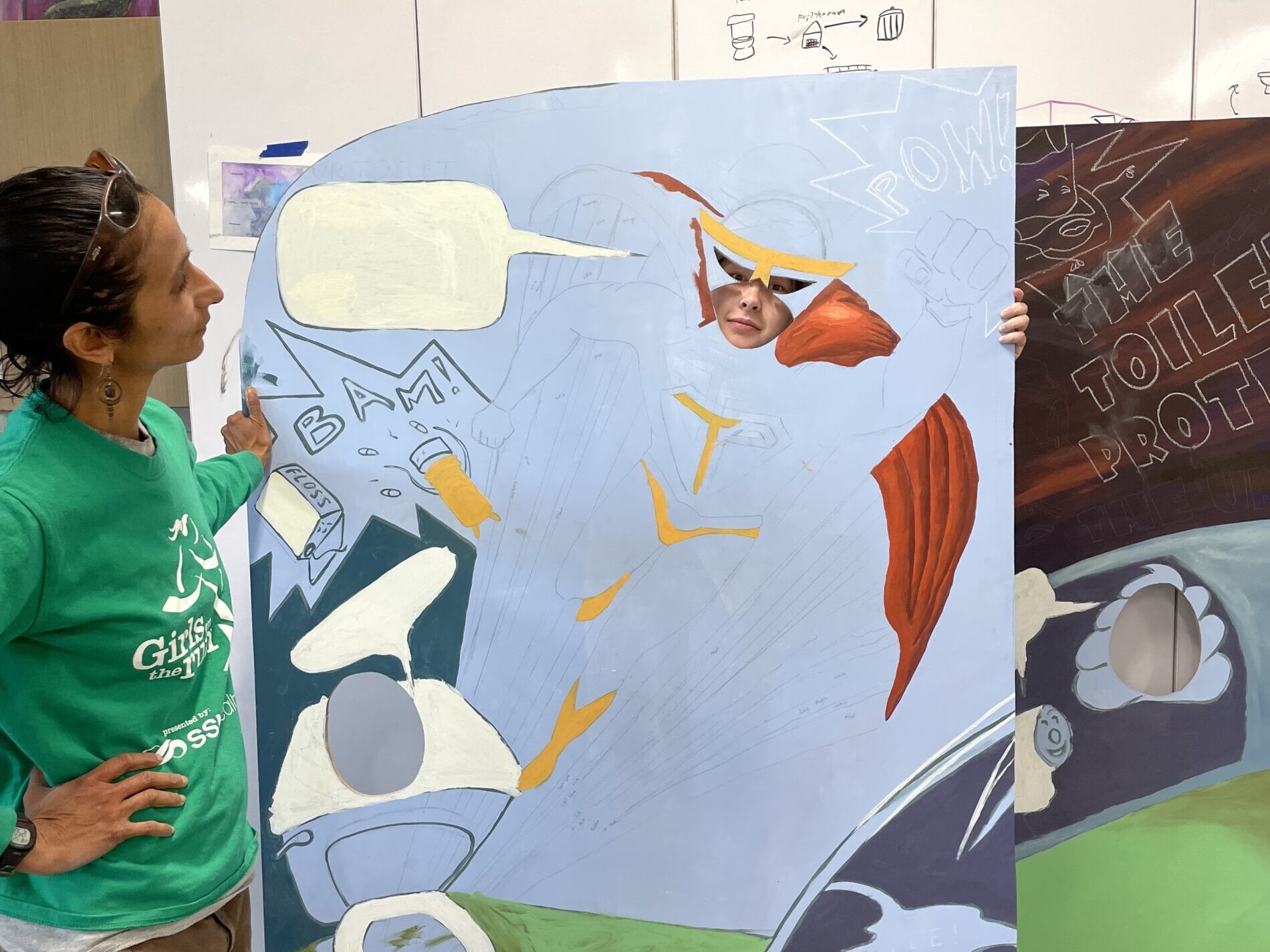
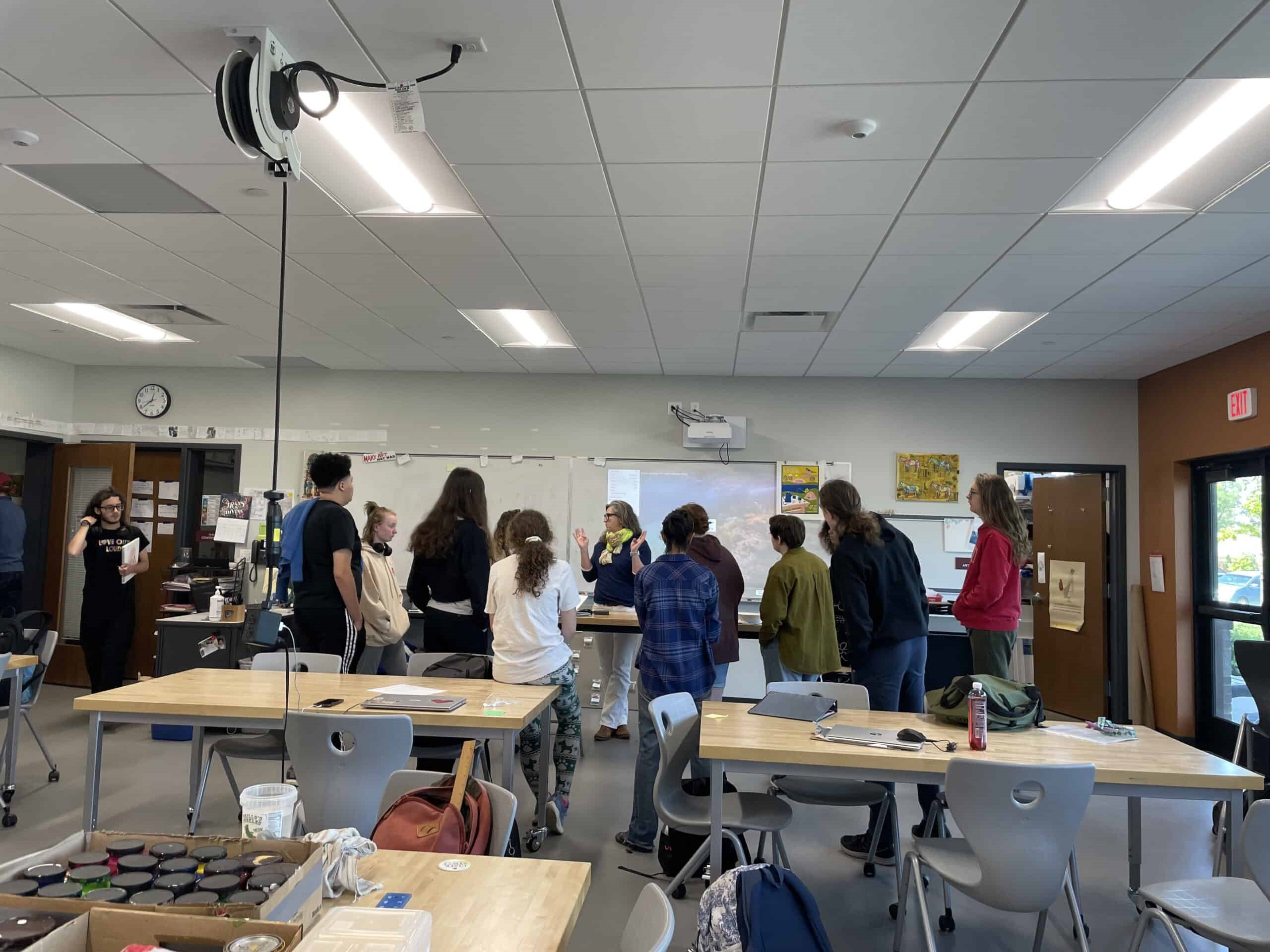
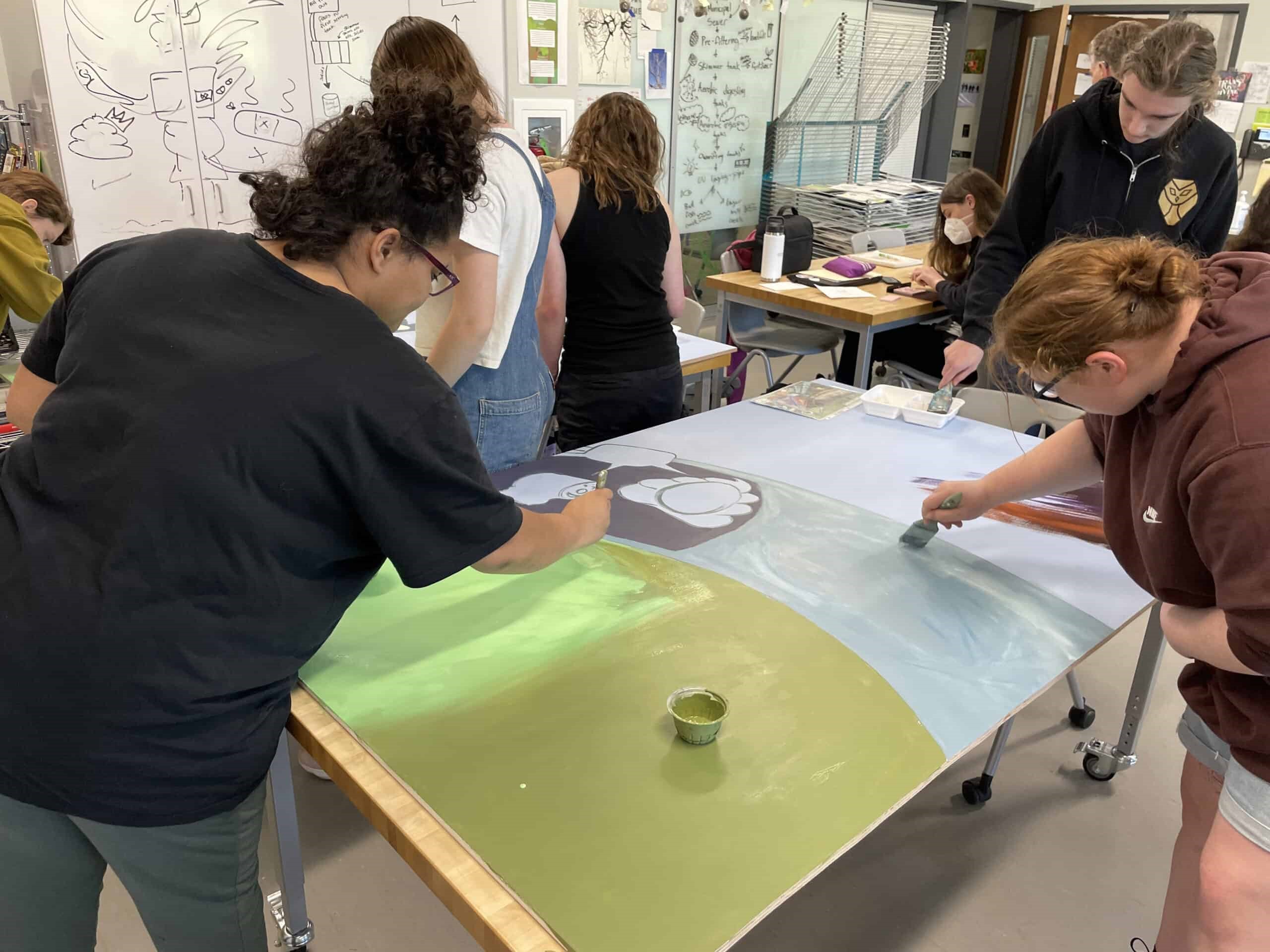

At the Plant
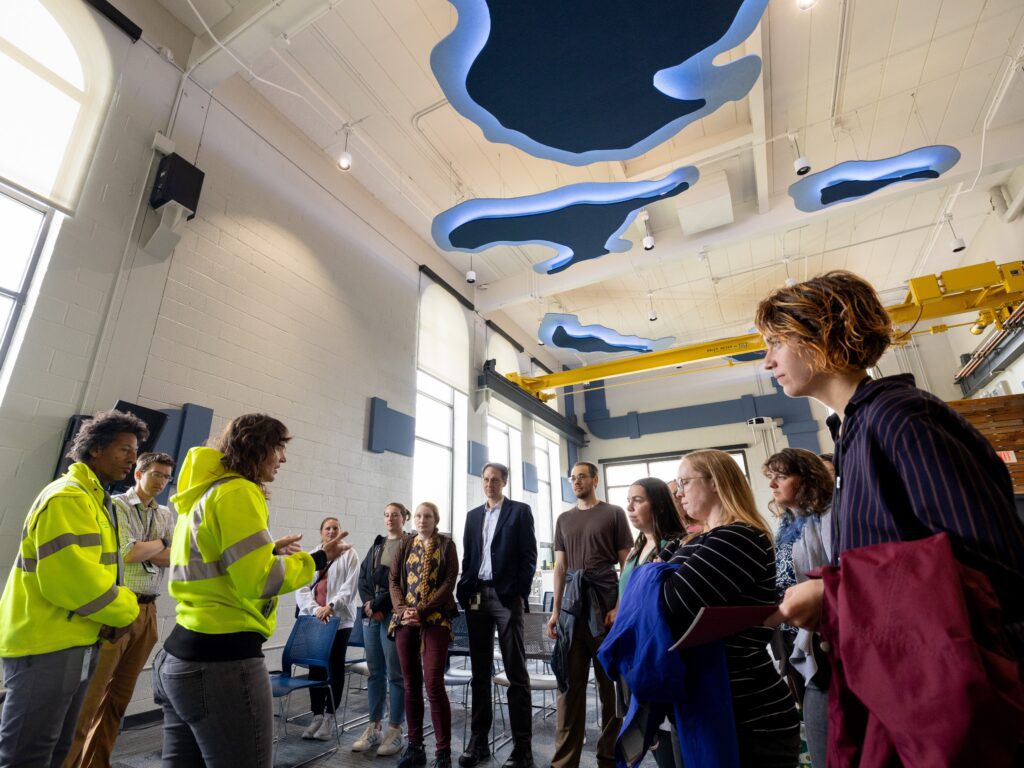
Plant tours
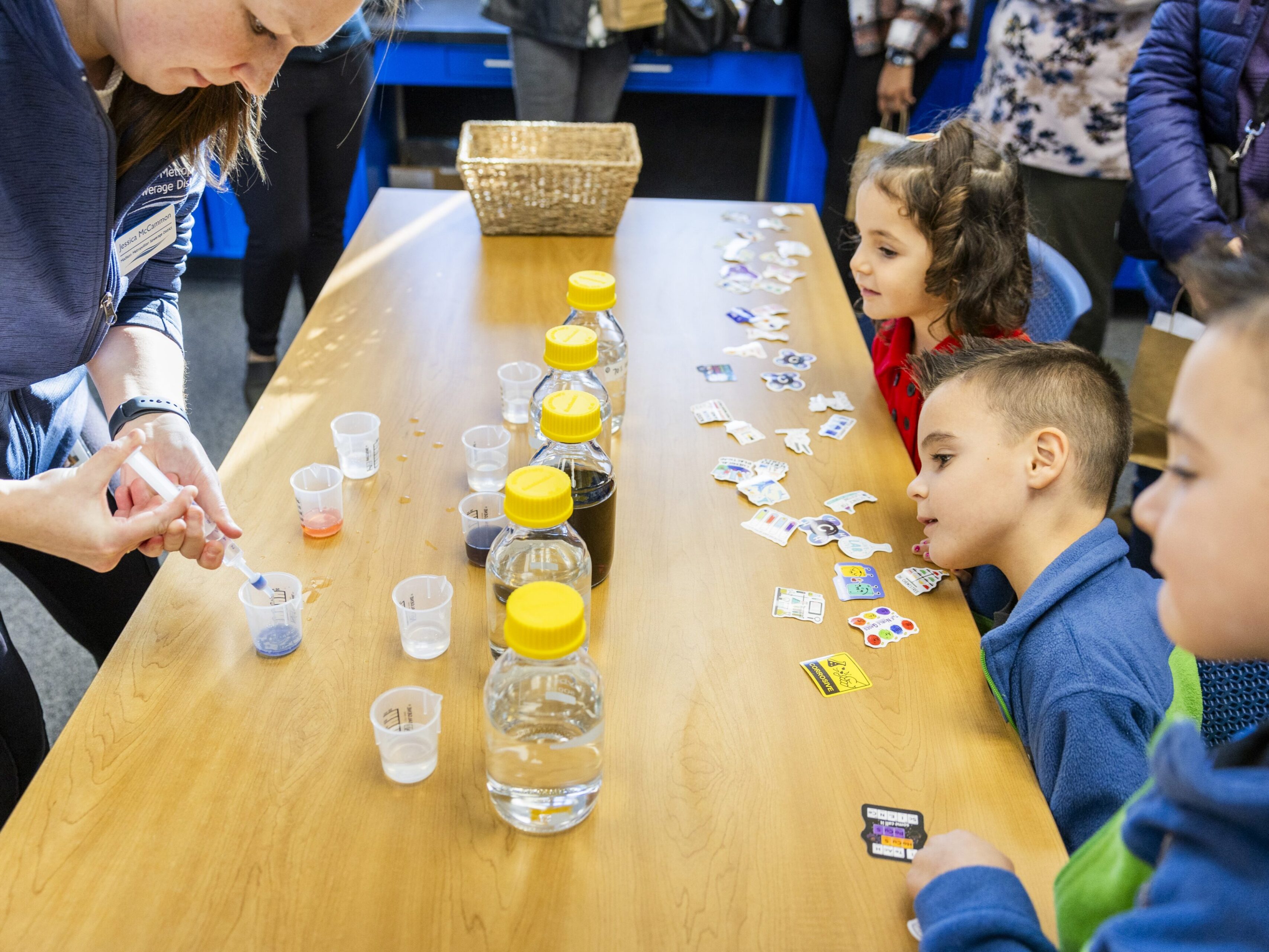
Ever wonder where water goes after you flush the toilet? Plant tours are a chance to see wastewater’s journey from “flush to fresh” and to learn about the treatment process. We offer public tours on the first Friday of most months at noon and personalized group tours (such as school groups, volunteer groups, workplaces) on request. Or, take a virtual tour!

Shop One
Our Shop One building is a flexible, community-oriented space to help the District tell our story, remember history, connect with the community and look into the future.
But Shop One is more than just a physical building. It’s a place to stimulate water connections so that we can all experience a One Water future.
Effluent Building
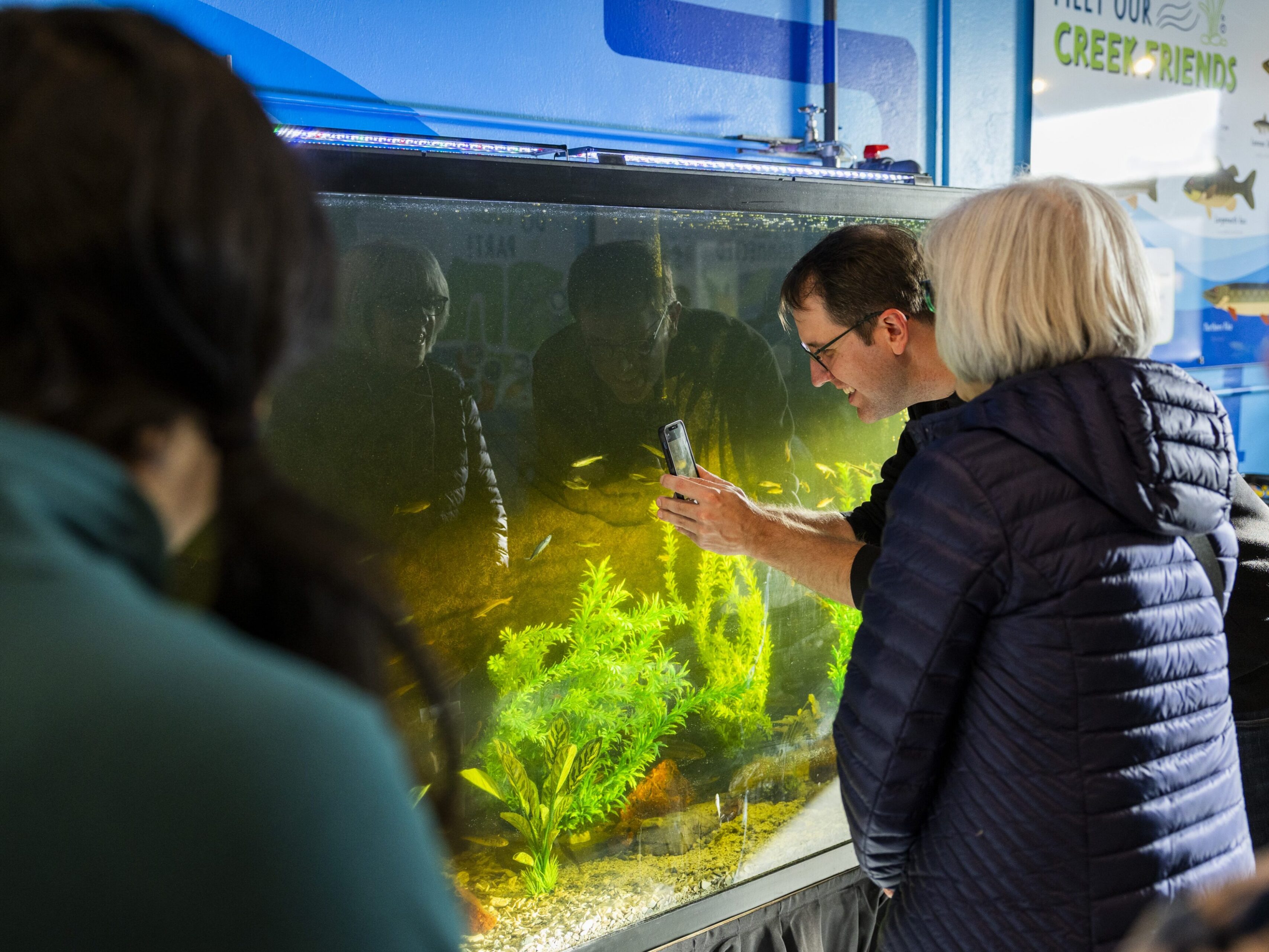
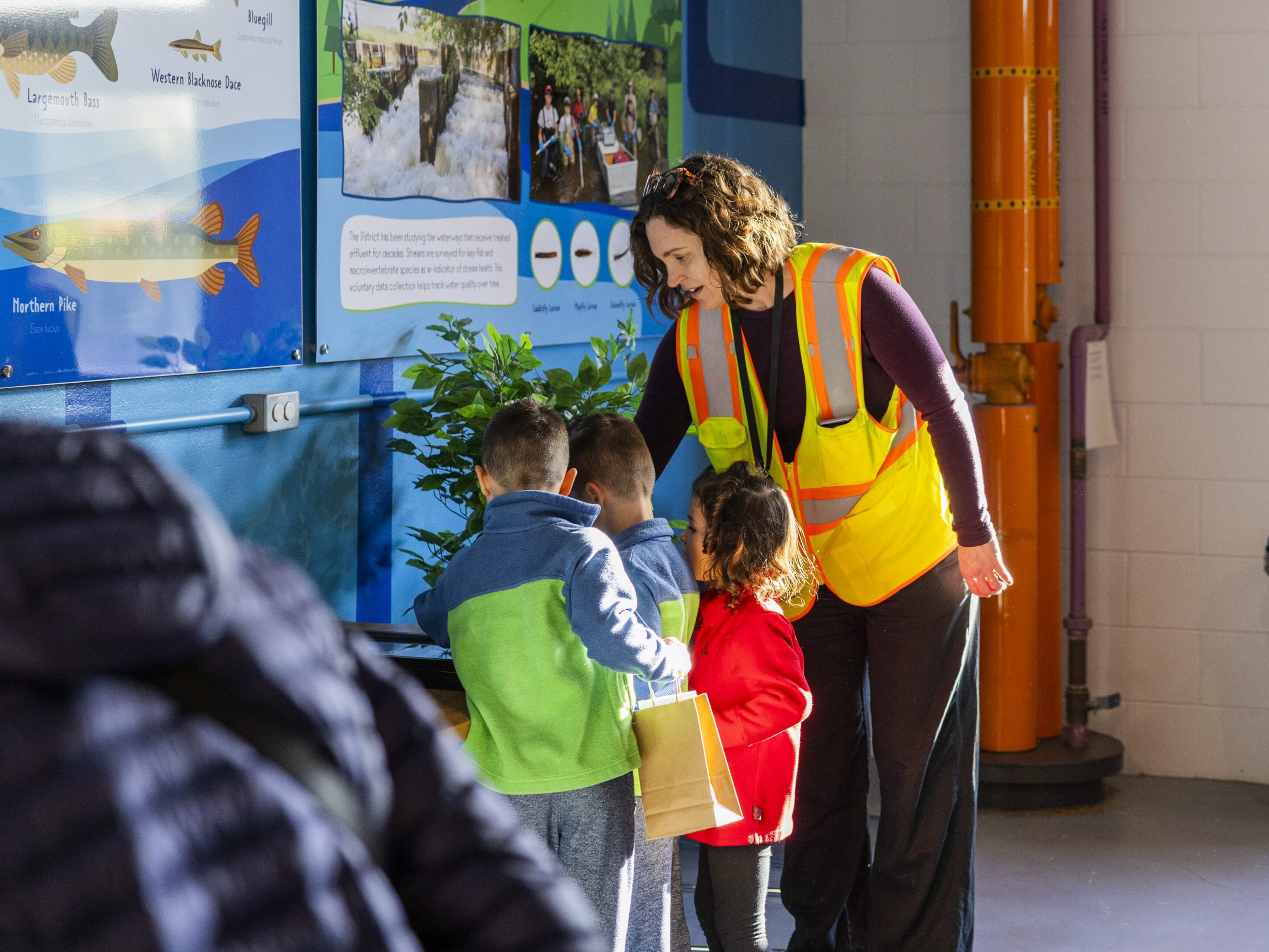
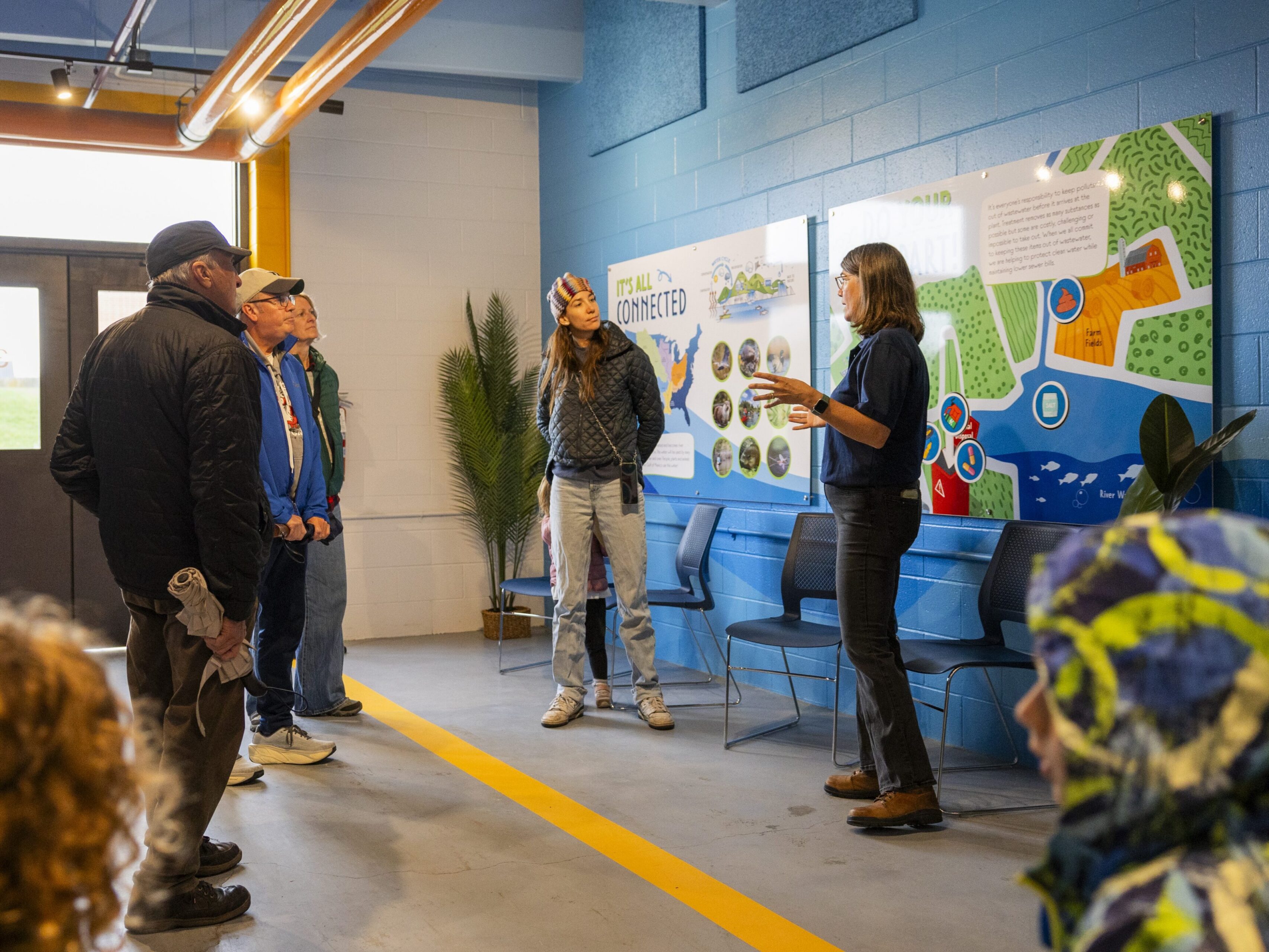
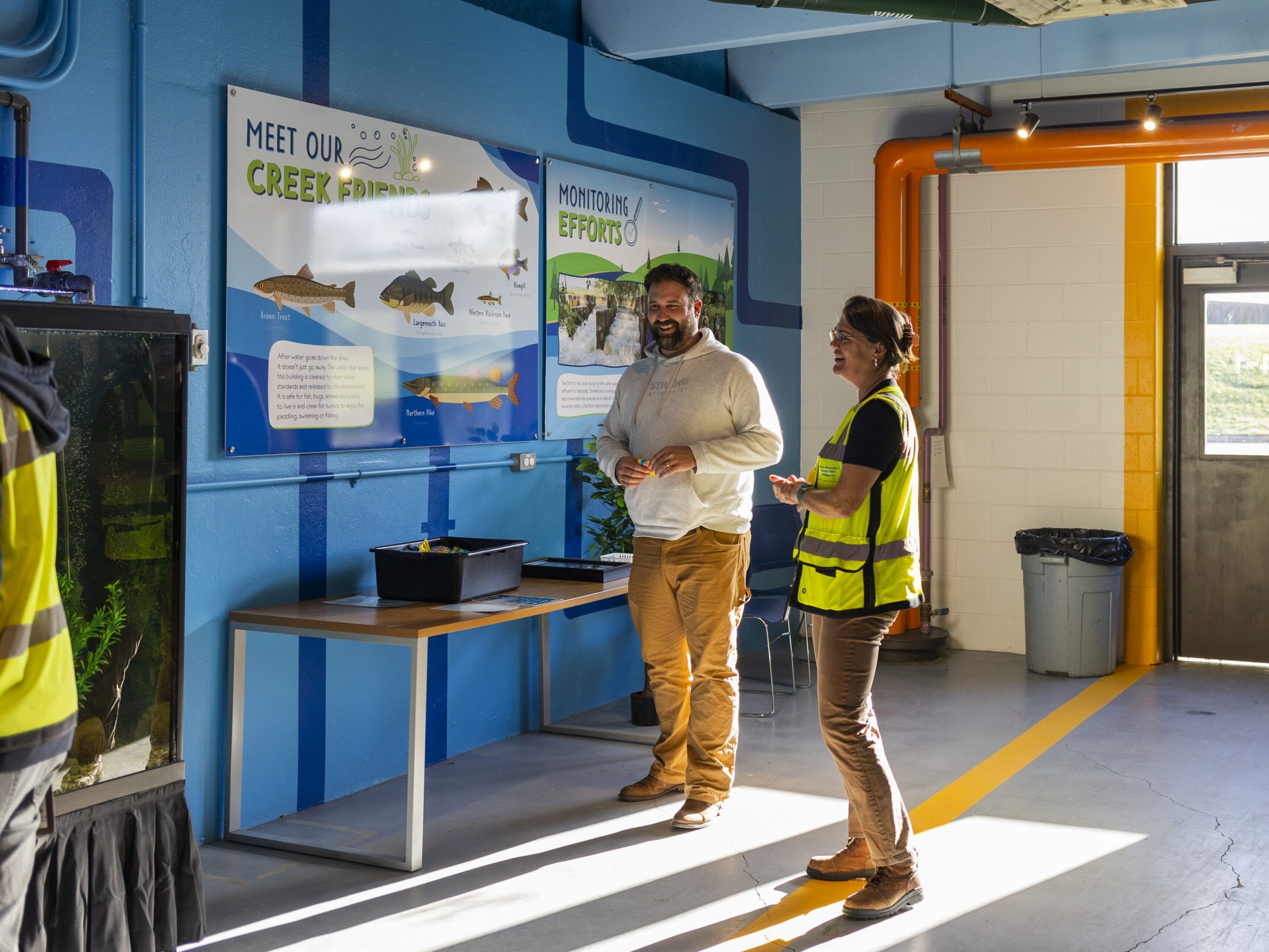
Over the past 30 years, the District has welcomed more than 33,000 visitors to the plant for tours. For many, the final stop of the tour (the “fish room”) in the Effluent Building was a memorable highlight. In 2025, we reconstructed key areas of the building into educational spaces to convey the connectedness of all water resources, understand our laboratory and water testing work, engage the imagination of our visitors and showcase the direct connection between wastewater treatment and the environment.



Catalytic Projects
LIFT SEE IT Scholarship
The LIFT SEE IT (Scholarship Exchange Experience for Innovation & Technology) program provides scholarships for utility personnel to visit other utilities with innovations of interest and to share experiences with their peers. The initiative, spearheaded by Water Research Foundation, Water Environment Federation, and National Association of Clean Water Agencies, is part of a broader clean water sector effort to help provide the tools and resources necessary to help utilities transform their facilities into leading actors in the water industry.
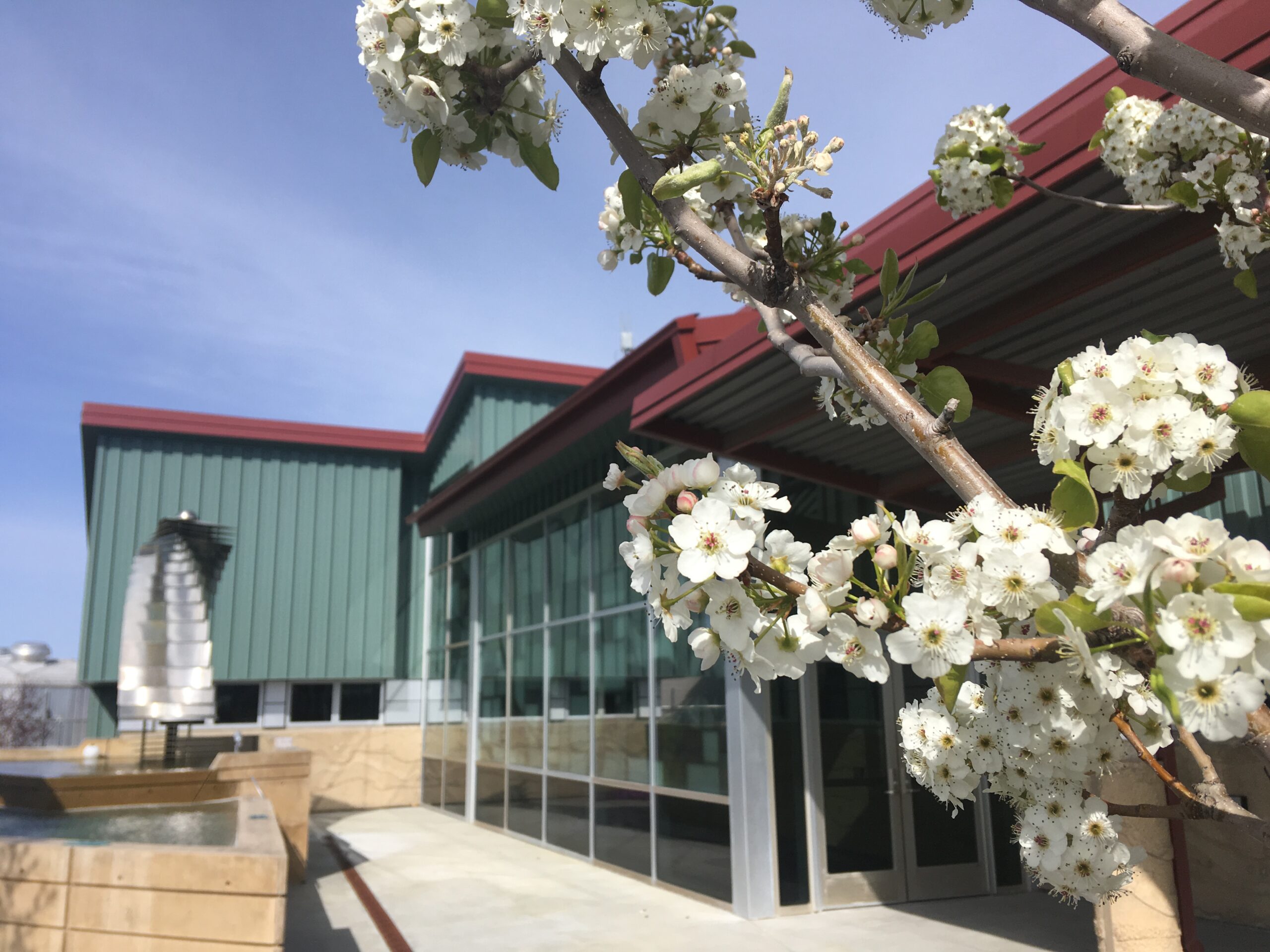
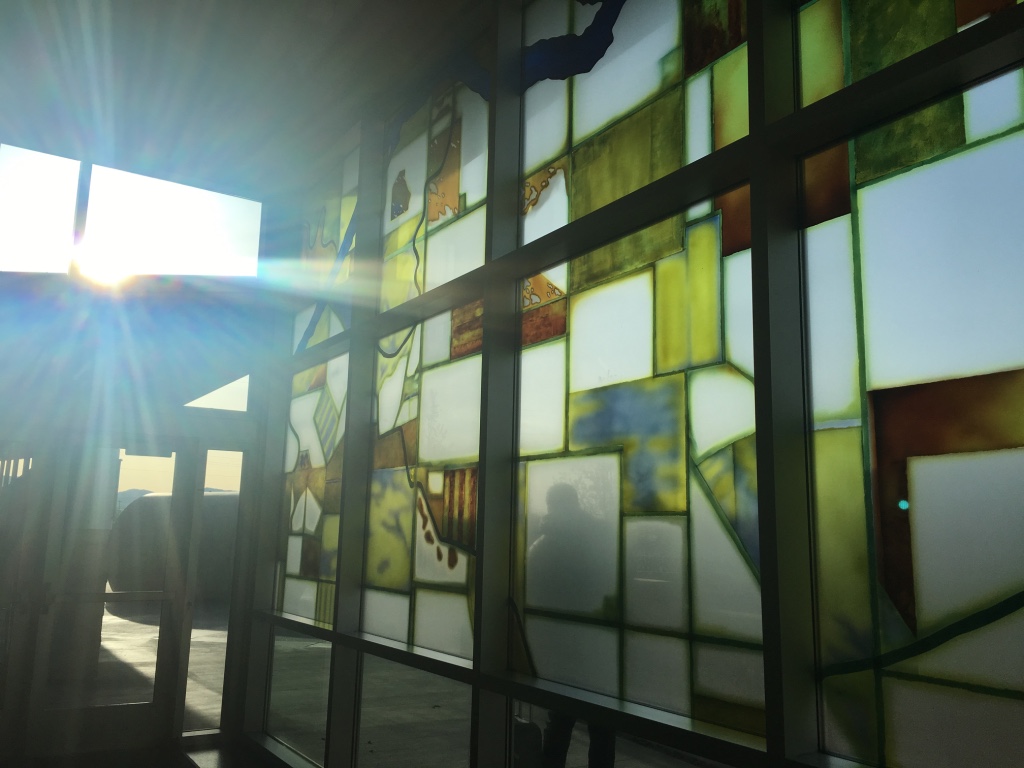
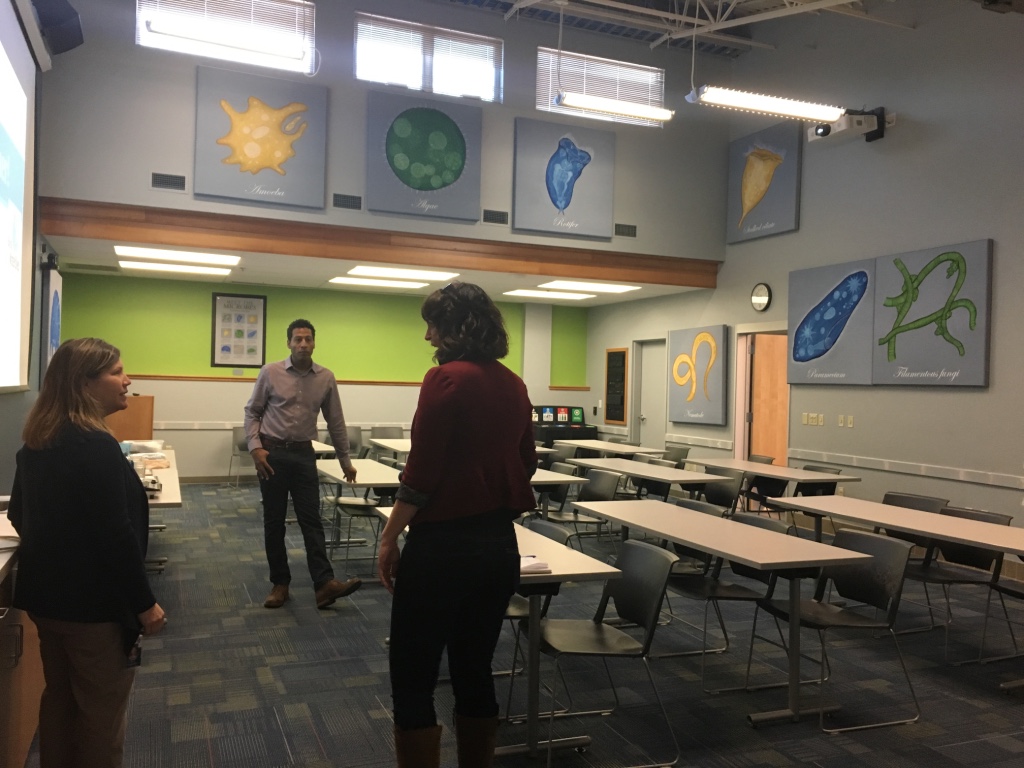
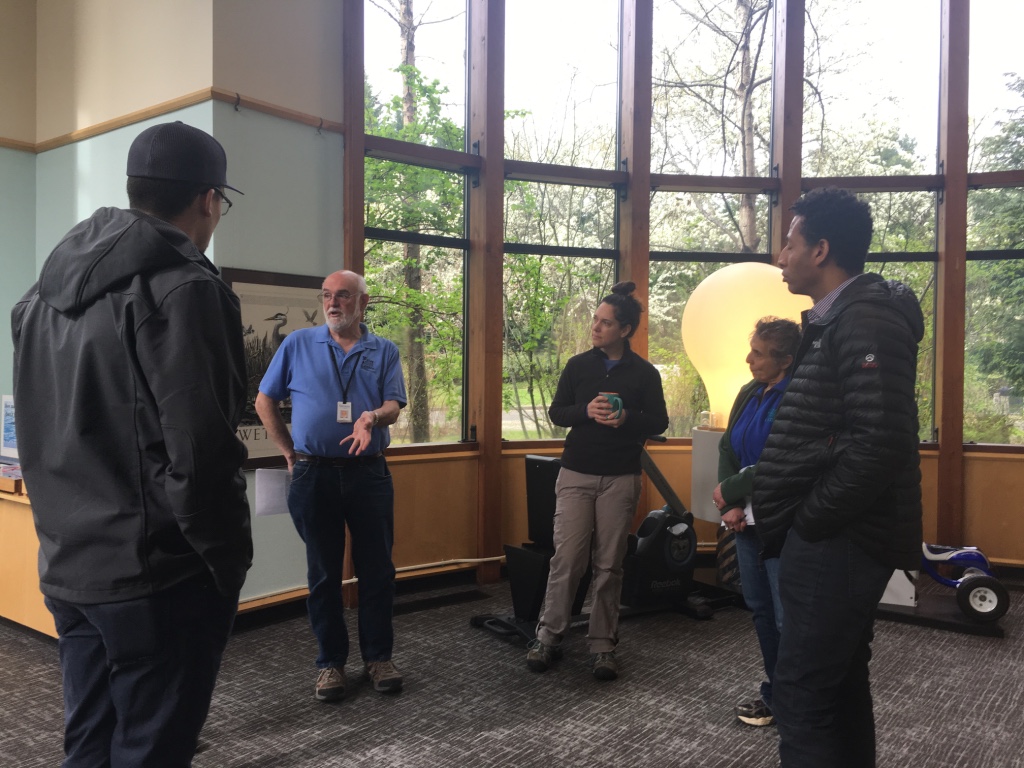
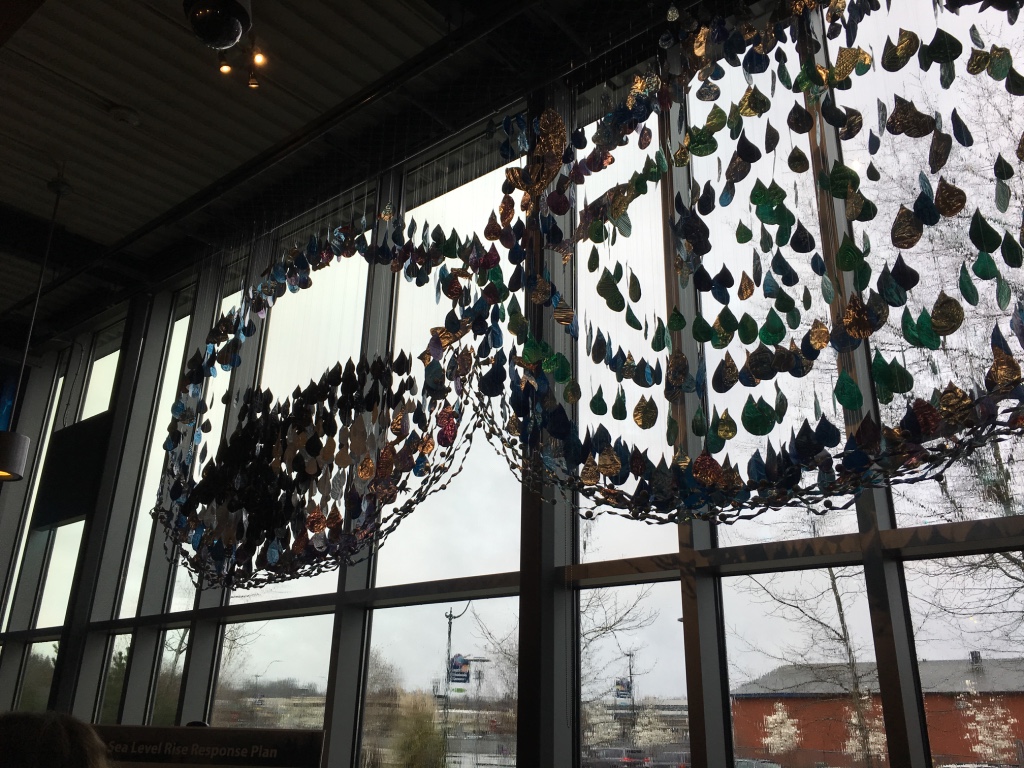
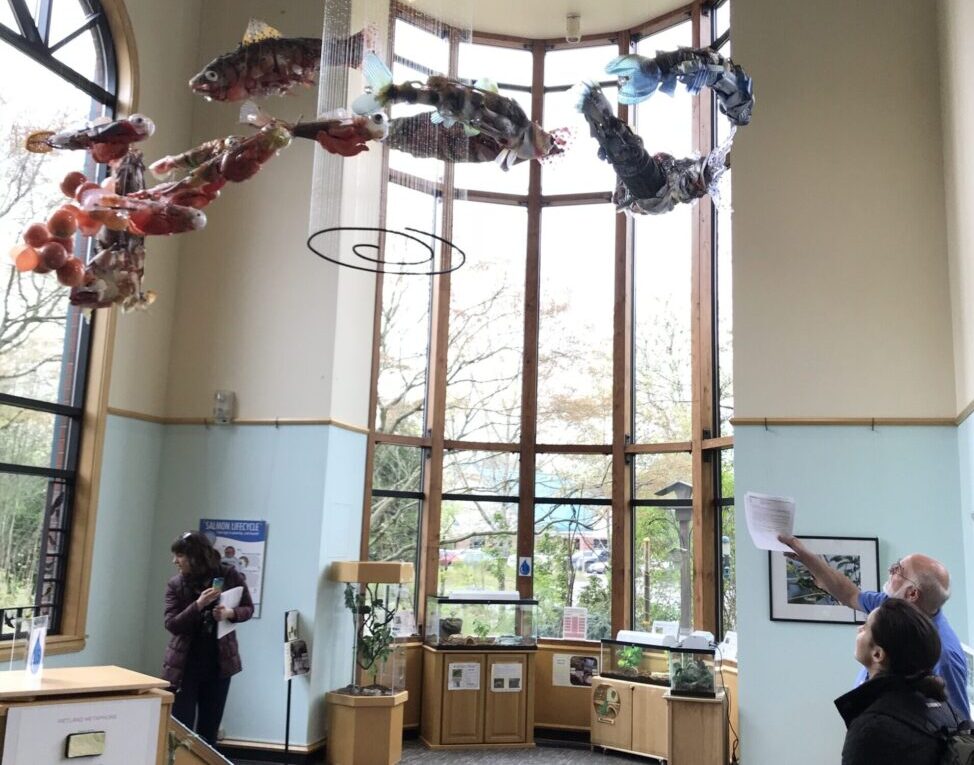
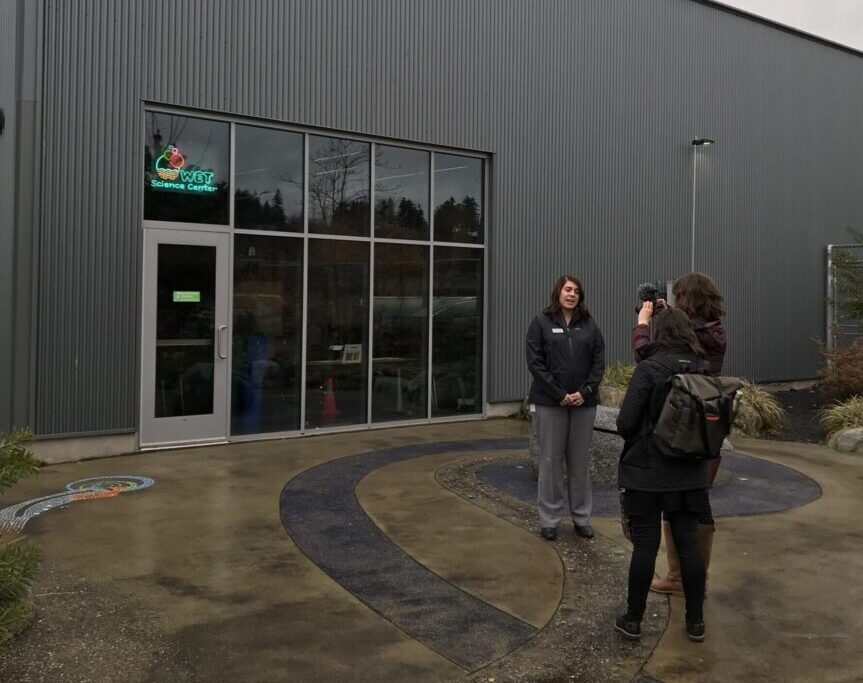
In 2018, District staff were awarded a scholarship to thoroughly interview staff at five other wastewater utilities, and to visit four well-established dedicated water-education spaces. The District learned first-hand from other plants how they established water programming and transformative spaces. View a video of the experience.




Water, Arts and Culture Accelerator

In 2020, the District became one of four utility participants in the inaugural Water, Arts and Culture Accelerator program of the US Water Alliance, helping foster collaborations between artists and utilities on creative practice and cultural strategy. US Water Alliance’s “Advancing One Water through Arts and Culture: A Blueprint for Action” served as a guiding document and provided a thorough value case for using arts and culture strategies to improve water outcomes.
The District convened a group of creative collaboration advisors to guide the development of catalytic projects early in the visioning stages, setting them up for success by expanding possibilities and making connections. The 2020-2021 advisors were: Alexandra Lakind, Carrie Breunig, Dakota Mace, Hedi Rudd, Jenie Gao, Michael Ford, Kay LeClaire, Rob Franklin and Robert Lundberg. Read the advisors’ final report, “Shop One Catalytic Projects: Finding & Recommendations from Creative Collaboration Advisors.”
In 2023, the US Water Alliance wrote a case study report on the program and much of the District’s sustainability education and outreach work titled, “Becoming a Hub for Community Connections and Creativity in Madison, Wisconsin.”
Water is finite. We can’t create more of it, so we need to respect and value every drop we’ve got.
