

A community space to forge connections with water
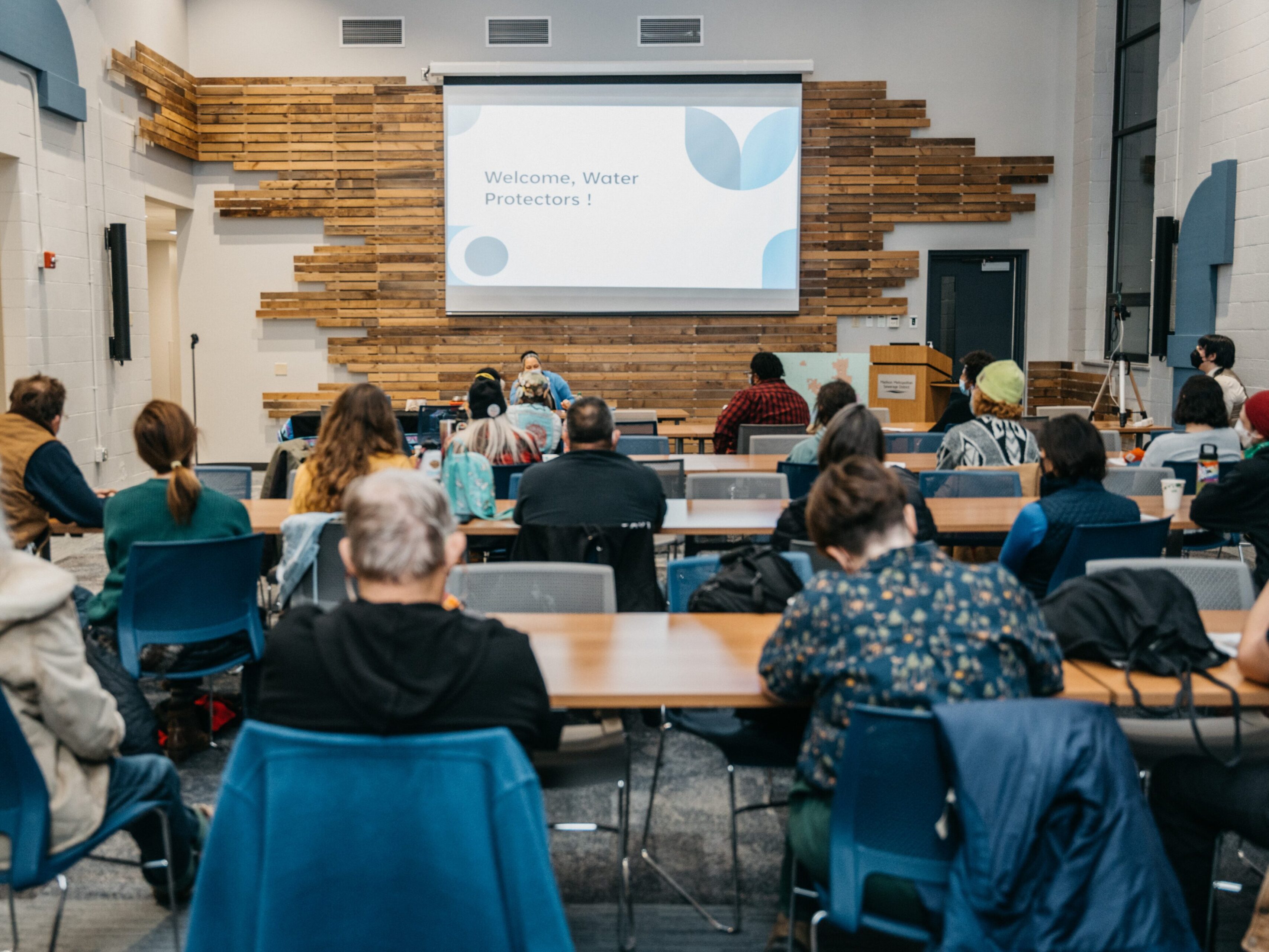
Shop One is a community space to engage and empower water stewards. The historic building is located on the Nine Springs Wastewater Treatment Plant campus at 1610 Moorland Road in Madison, Wisconsin, and has had many uses over the years to support the Madison Metropolitan Sewerage District’s mission to protect public health and the environment. The flexible space has been developed as a place to gather, learn and explore water connections.
Shop One is more than just a physical building. It’s a place to stimulate water connections so that we can all experience a One Water future. All water is connected, and all we have now is all there will ever be – we can’t create more of it. By changing the way we think about and use this finite resource, we can improve the quality of life for us all. That’s what Shop One is for.






History of Shop One
The Shop One building has a rich history of adaptation, having had many uses over the years to support the District’s mission as regulations and needs change.
2026
Looking ahead
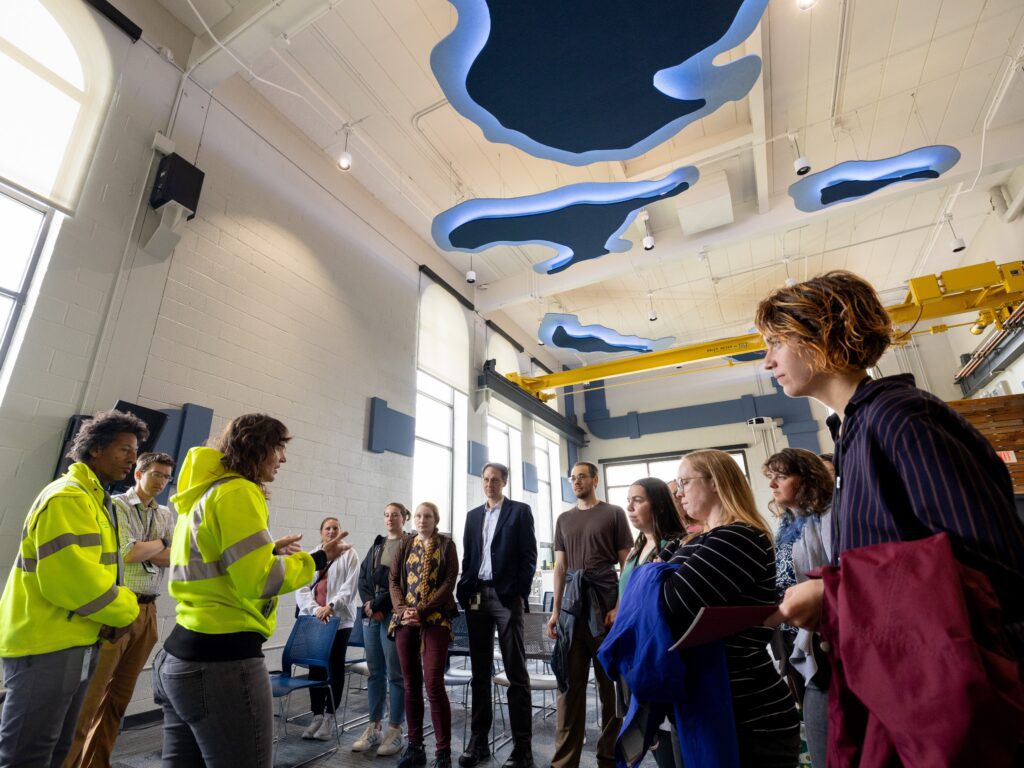
Plans and initiatives for outreach, connections, exploration and stewardship related to community connections around water recycling and treatment continue.

2022-2023
Artist/Educators in Residence
The artist/educator in residence program launches. The program was an opportunity to teach through interactions, provide hands-on experiences, engage in conversations that challenge social norms and conventional thinking and collaborate and test new approaches to convey the One Water message.
2021
Catalytic projects
Intended to stimulate community conversations around water and water stewardship through shared water stories, catalytic projects pave the way for expanding access to the treatment plant and ultimately the One Water paradigm, using arts and cultural strategies.

2020
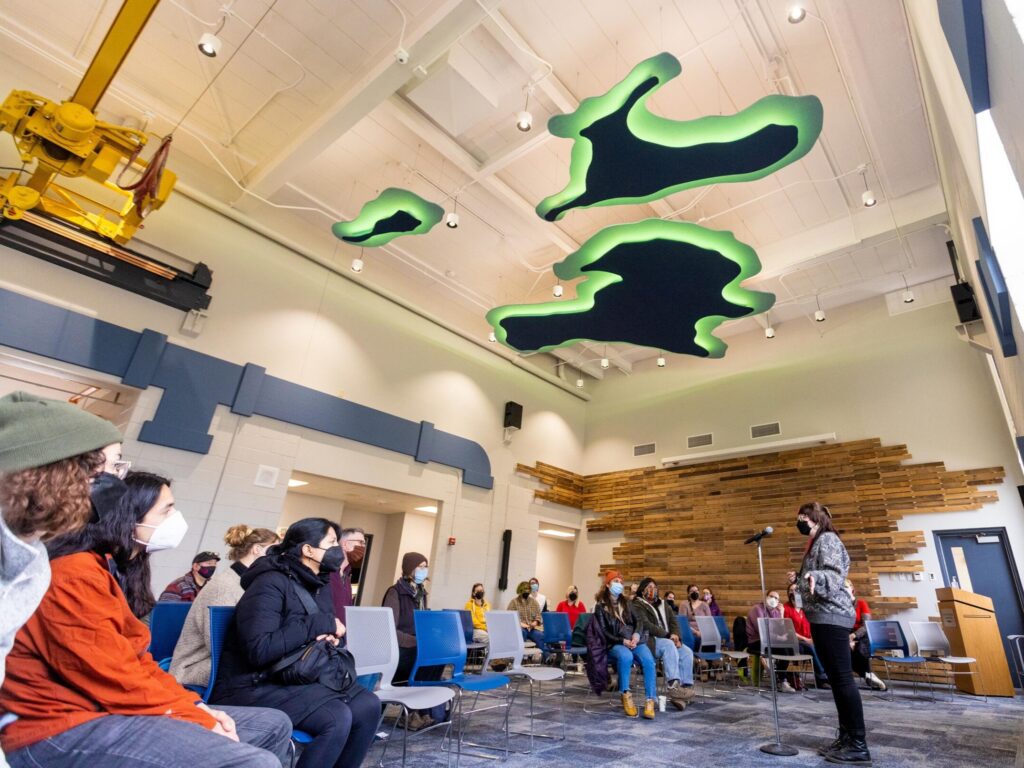
Attractive acoustics
The initial step in transitioning Shop One into a public space was retrofitting the building’s main room with carpet, furniture, audiovisual equipment and bathrooms in 2016 — changes to accommodate larger tour groups.
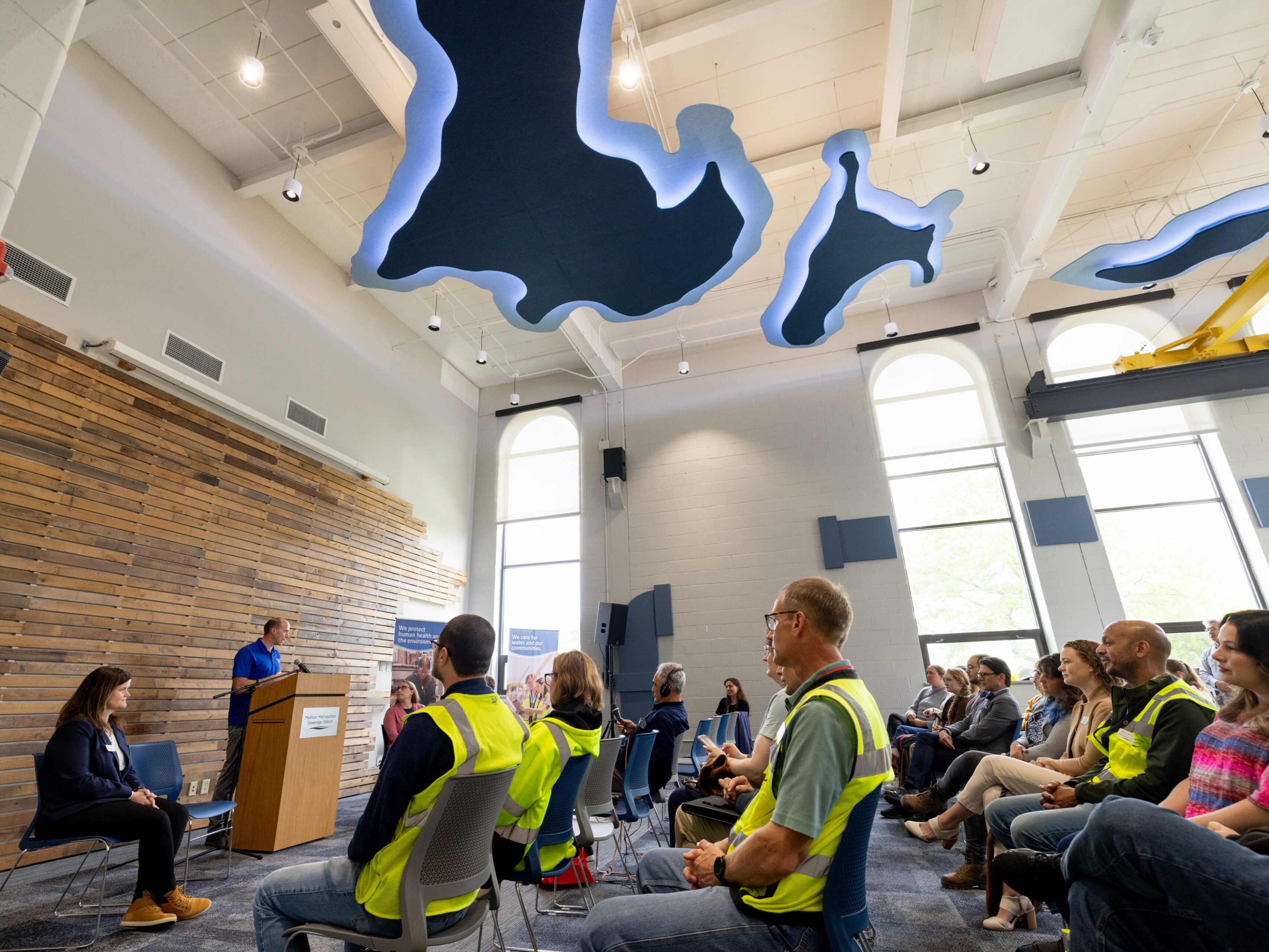
The vaulted ceilings that make the space unique, however, presented a problem for acoustics, which made communication in the space difficult. The intent of Shop One is to engage and empower water stewards in a flexible, functional and inviting workspace that invites community members to experience the District’s work and inspire creative approaches to the future. As such, we didn’t want standard fiberglass acoustical panels, but a creative solution that embodied the mission of the space. The final design, created and installed by Strang Architects, depicts the Yahara chain of lakes and installation was completed in early 2020.
2019
Imagining design possibilities
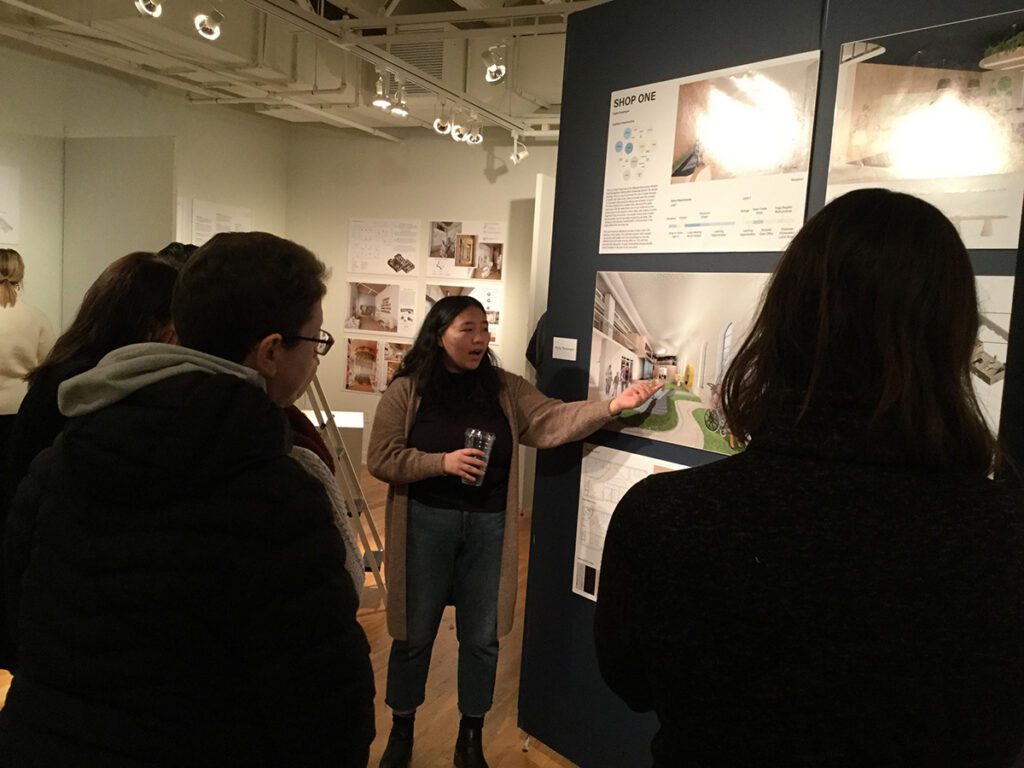
In Fall 2019, UW-Madison’s School of Human Ecology Design V class partnered with the District. Participating students, mostly seniors pursuing interior design or architecture degrees, produced designs through consultation with District staff as part of their capstone projects, which were then showcased in a concluding gallery at the Ruth Davis Design Gallery. The designs sparked ideas, generated excitement, and helped inform future direction as the District develops Shop One programming and capital improvement projects in the years to come.
2018
SEE-IT Scholarship
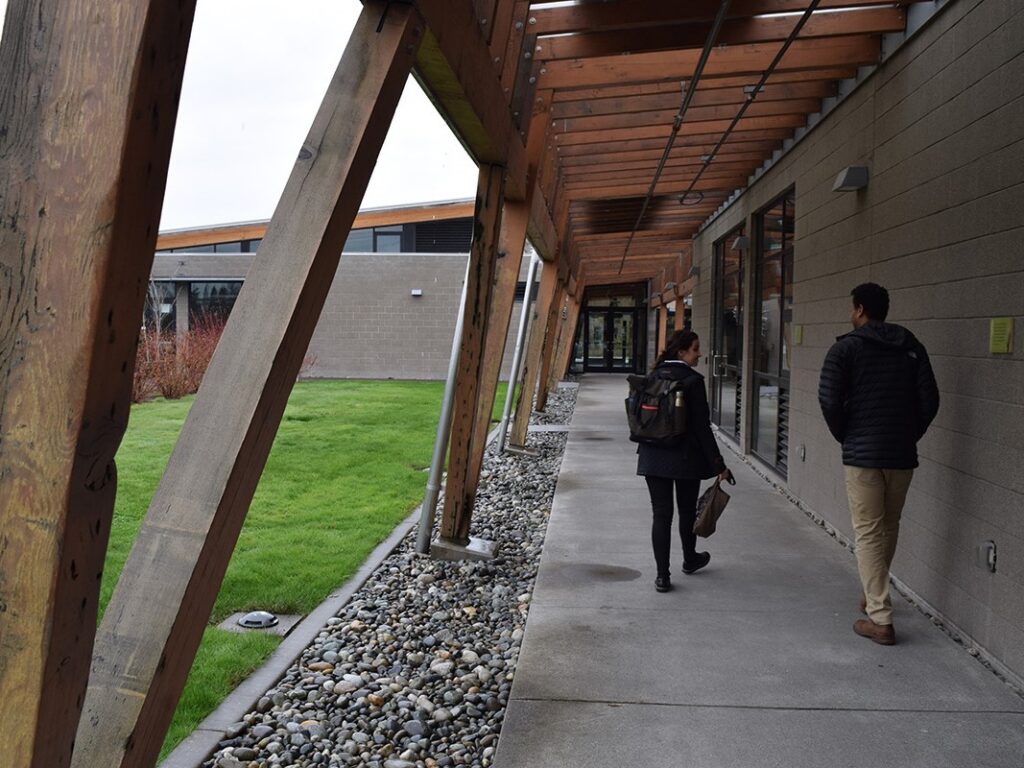
In 2018, the District was awarded a scholarship from the Water Research Foundation, Water Environment Association and the National Association of Clean Water Agencies to visit other utilities with an innovation of interest.
District staff visited four other utilities to learn about and see their approaches to inviting the public to the wastewater treatment plant. This was the first of many steps in visioning how Shop One might look and function.
2015
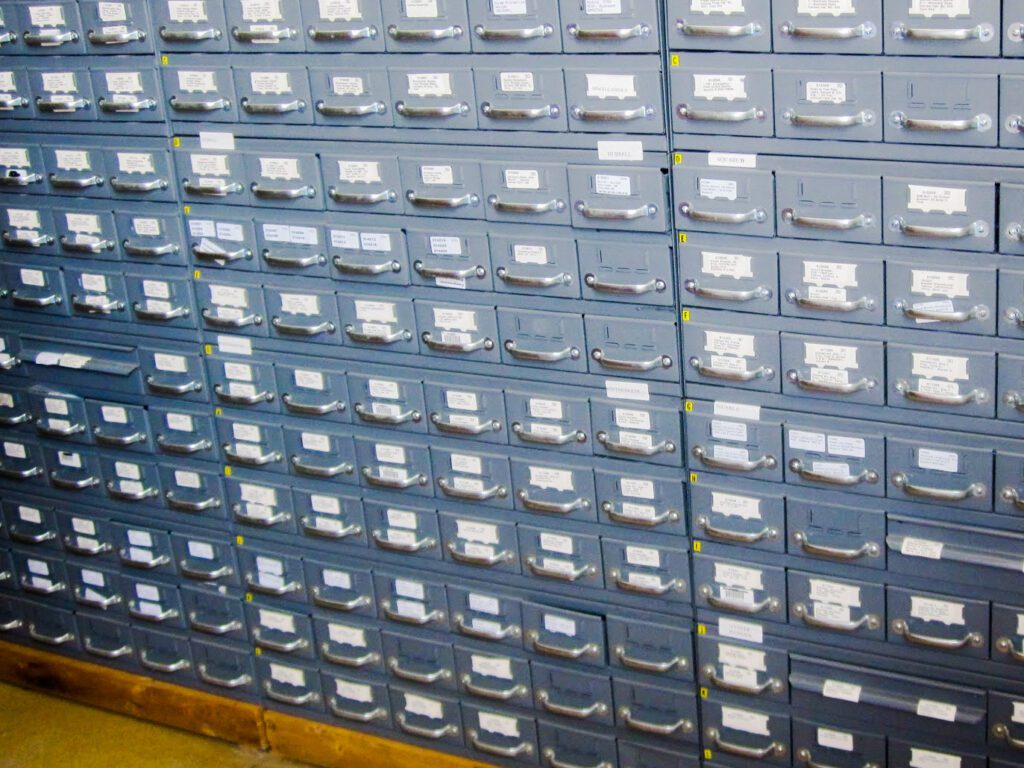
Maintaining aging infrastructure
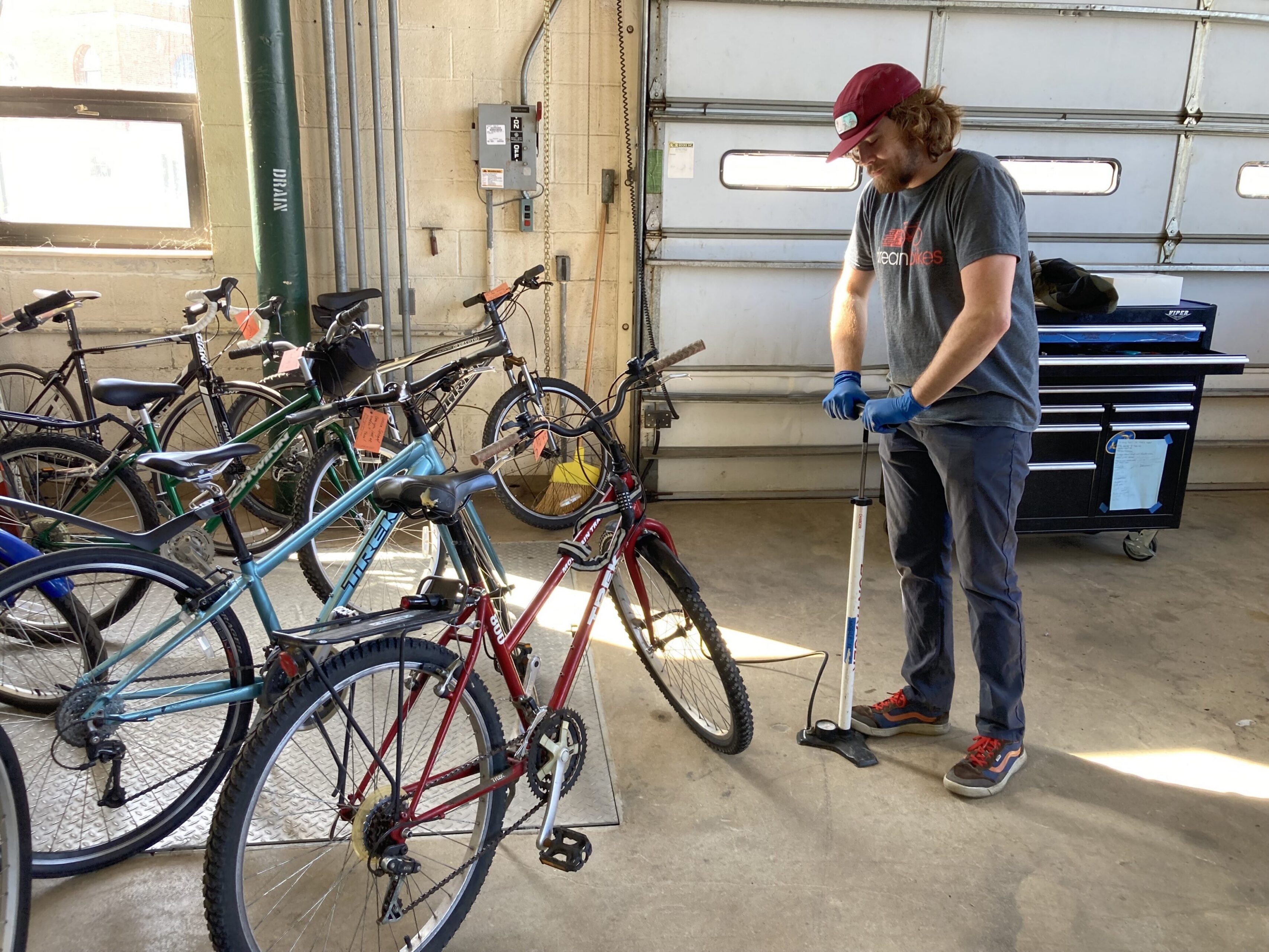
With a growing service area and aging infrastructure demanding attention from mechanic crews, the Shop is starting to reach its capacity, and the District needs a new space to house all the mechanical, electrical, sewer maintenance and monitoring functions. A new maintenance facility is built, and the user charge program grows.
1990-2000s
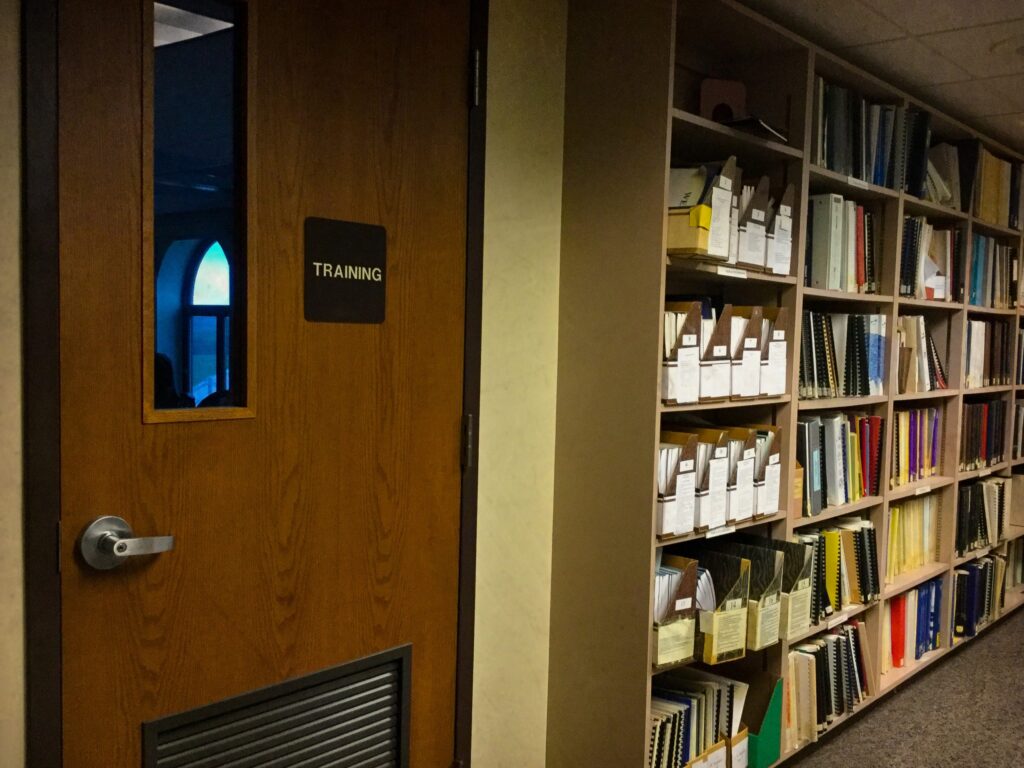
Preparing a modern workforce
As the District’s responsibilities expanded and its infrastructure aged, the nature of the work required more advanced skills and specialized teams. This shift not only allowed existing staff to work more efficiently but also helped the District attract and train workers with modern technical expertise to carry out critical sewer system upkeep and monitoring work, laying a foundation for a better-prepared workforce in a growing utility environment.
1986
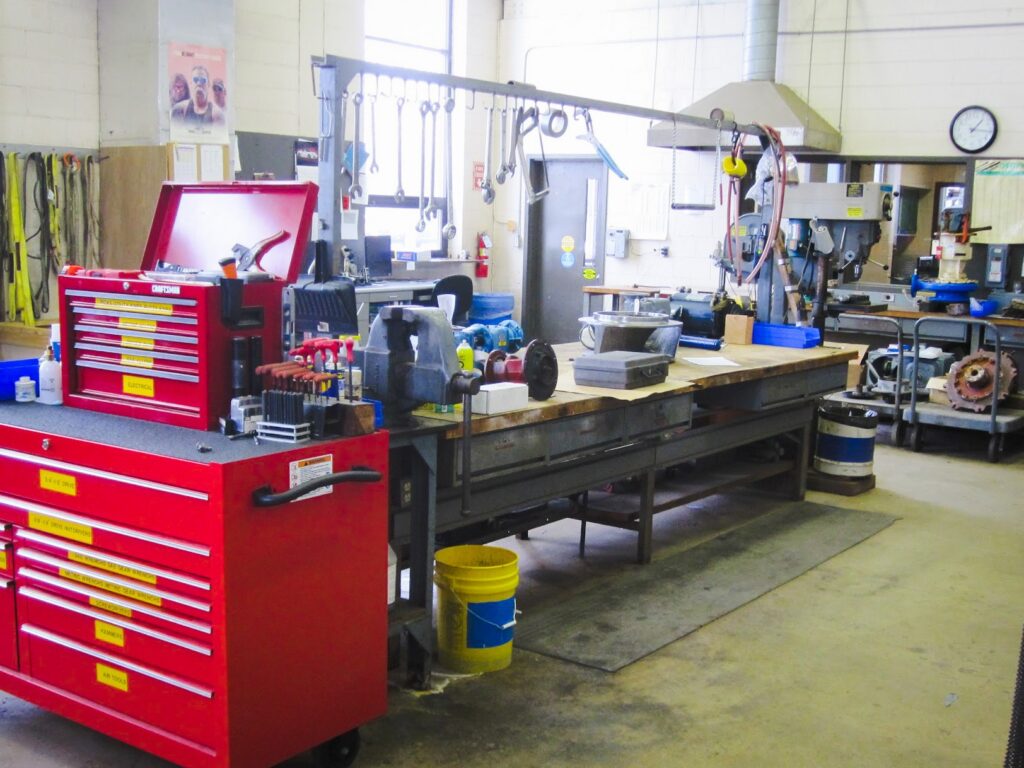
7th Edition upgrades
With construction completed on a new operations building (circa 1982) and a new pump house with ultraviolet disinfection, Shop One is converted into a maintenance shop.
1972
Clean Water Act
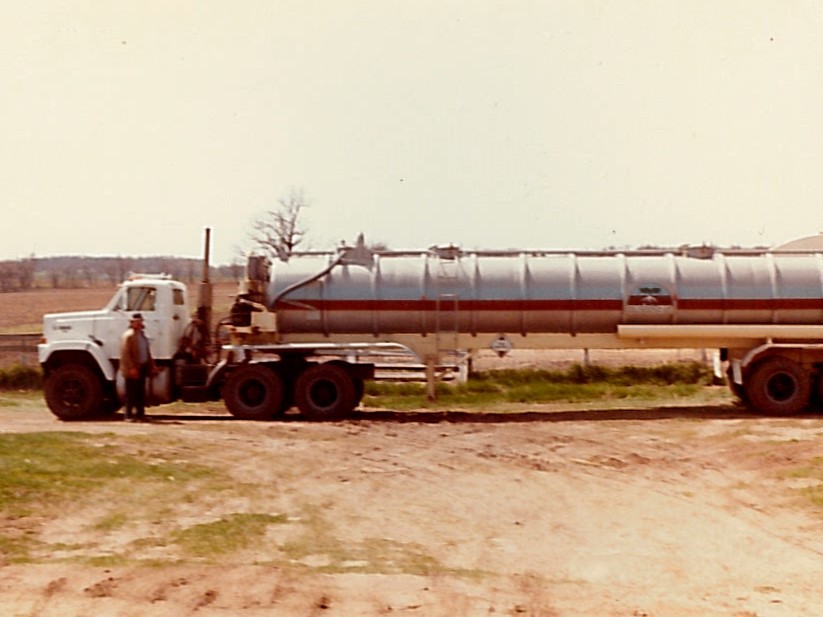
The Federal Water Pollution Control Act Amendments of 1972, later known as the Clean Water Act, was passed, giving the Environmental Protection Agency authority to implement pollution control programs such as water quality standards for wastewater treatment plants. This landmark legislation changed the way that many treatment plants, including Nine Springs, operate.
1960-1970
Multi-purpose use
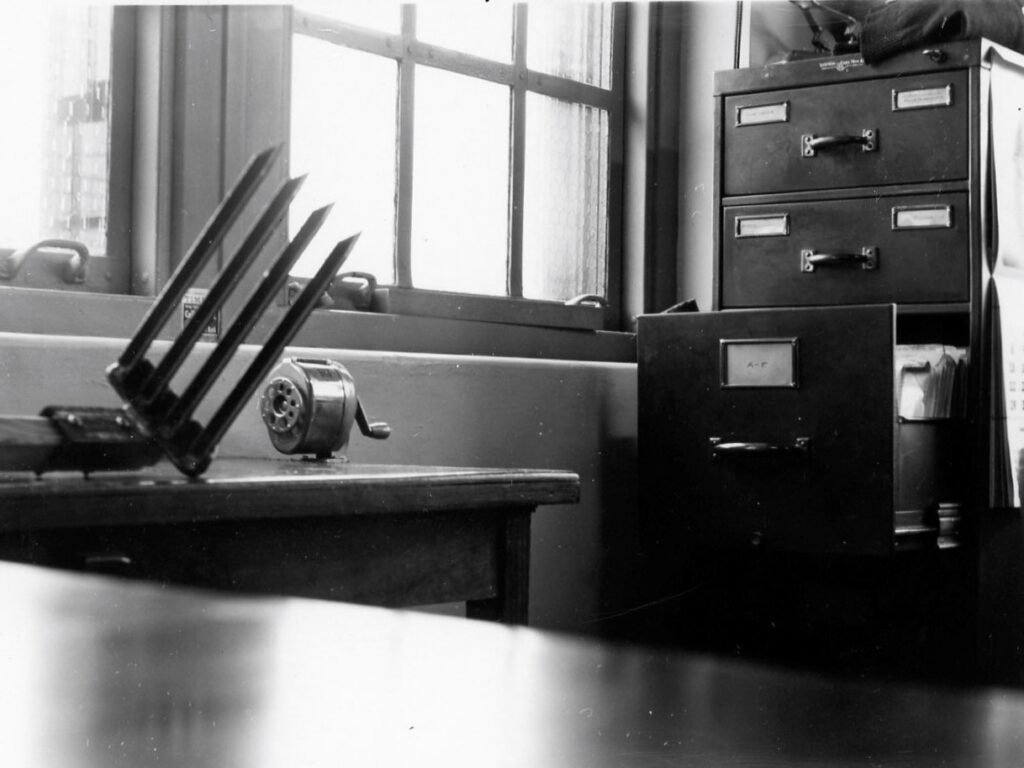
During this period of time, not only was this building the primary effluent pump house, it also housed the District laboratory, chlorination room and plant superintendent’s office.

1957
Effluent Pump House constructed
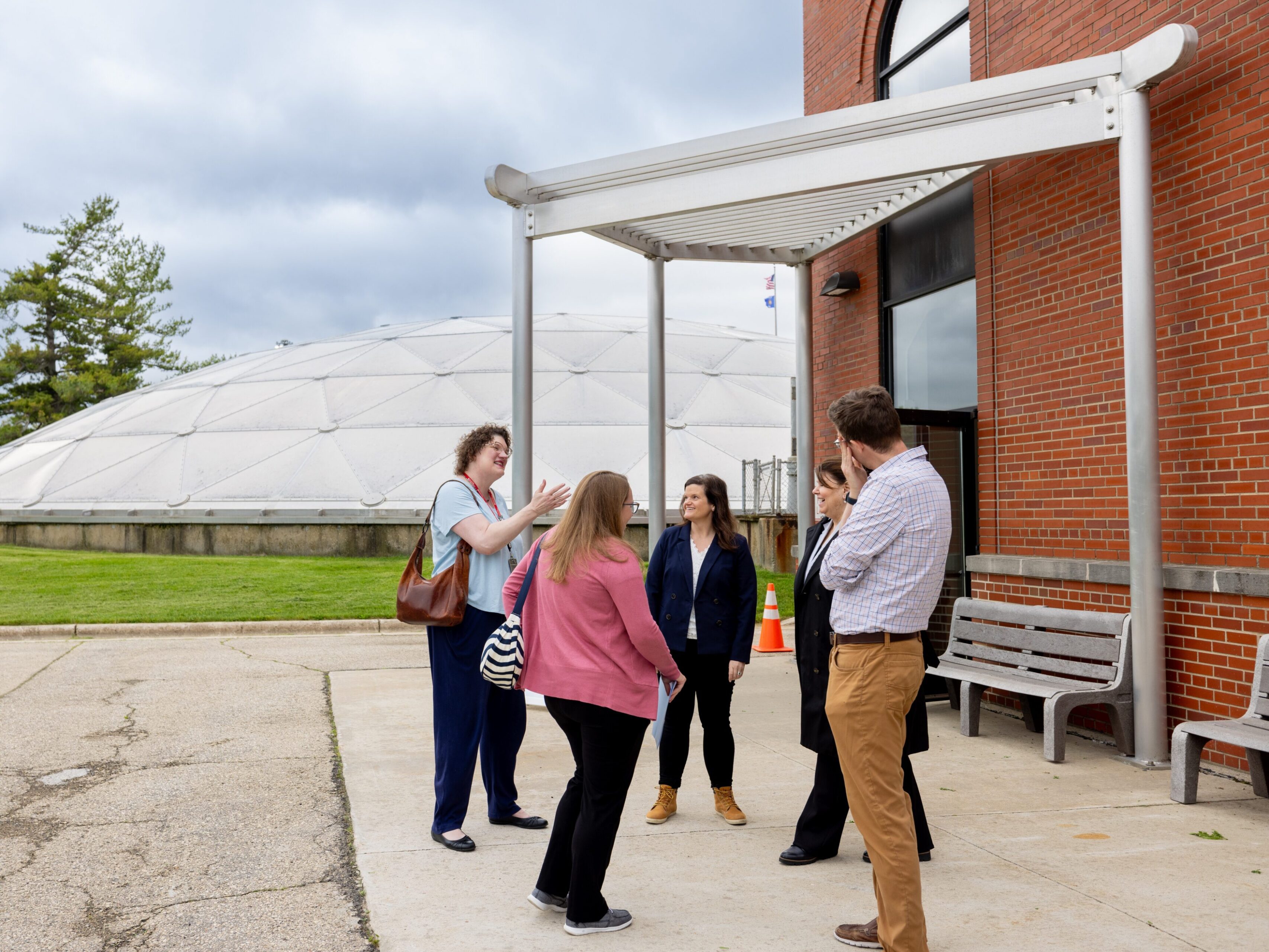
Prior to the construction of this building, treated water from the plant flowed by gravity along the edge of what is now known as the District’s Wildlife Viewing Area, to the Yahara River upstream of Lake Waubesa. Changes in regulations required pumping treated effluent greater distances, and the District’s first pump house, what is now Shop One’s physical building, was constructed.

1930
Regional authority to protect lakes established
In 1928, the Nine Springs Wastewater Treatment Plant was up and running at a capacity of 5 million gallons per day. By 1930, it was decided that a regional wastewater authority was needed to protect the chain of lakes from raw sewage and Madison Metropolitan Sewerage District was established.
