


Spring is the perfect time to refresh your home, whether you’re decluttering closets, scrubbing floors or finally tackling those old paints, cleaners and mystery bottles in the garage. But before you toss everything in the trash or rinse it down the sink during spring cleaning, there’s something important every homeowner should know: many common household items can be harmful to your plumbing, wastewater systems and the environment if disposed of improperly.
Everything we put down the drain, from kitchen scraps to chemicals, goes into the sewer system and eventually winds up at wastewater treatment plants. While treatment plants are great at cleaning water, they cannot remove all pollutants, including toxic chemicals, mercury or pharmaceuticals. Since these items can harm aquatic life, contaminate waterways and affect human health if released into the environment, it’s important that we all properly (and safely) dispose of household waste instead of pouring items down the drain.
Disposing of common household items
Hazardous liquids and chemicals
Many leftover paints, solvents, cleaners, fuels and pesticides can be toxic or flammable. These items should never go down drains or in regular trash without proper preparation. You can dry latex or acrylic paints in their container before putting in the garbage. Oil-based paints, paint thinners, fuels and other chemicals should be taken to Dane County Clean Sweep.
Medications
Unused or expired medications should not be flushed or thrown in the trash. Wastewater treatment cannot remove pharmaceutical compounds, which can disrupt aquatic ecosystems. Instead, take these items to a MedDrop disposal location or takeback event. Most area police stations offer safe disposal of pharmaceuticals.
The next National Prescription Drug Take Back Day is scheduled for Saturday, April 25, 2026. Find a collection event near you on the Wisconsin Department of Health Services website.
Mercury-containing products
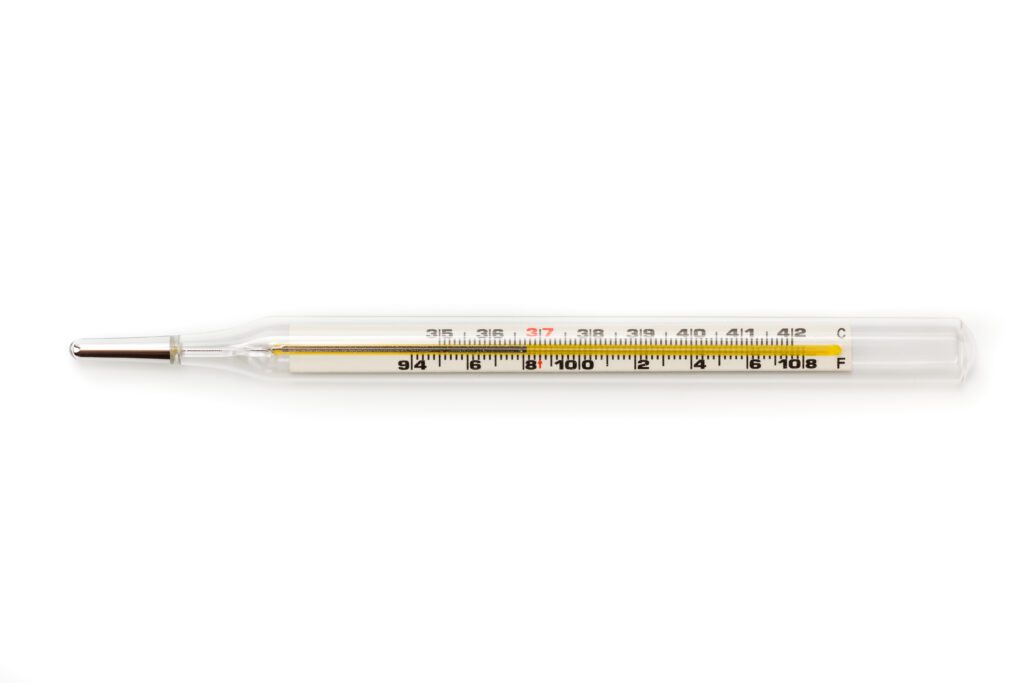
Household items like fluorescent bulbs and old thermometers or thermostats can contain mercury, a potent neurotoxin. Items with mercury must be handled and disposed of through special programs and not tossed in the trash. Dane County Clean Sweep accepts many mercury-containing items; see our “Mercury in Household Items” flyer for disposal of older devices and appliances. For fluorescent bulb disposal, many retailers, like hardware stores, have bulb takeback programs.
Microplastic Contributors
Items like disposable contact lenses, microplastic-laden cleaning pods and glitter can slip through wastewater treatment and end up in waterways. Toss plastics in the trash whenever possible and choose more environmentally friendly products as you shop.
What SHOULD go in the trash or recycling
- Toilet paper is safe to flush – it breaks down easily in water. Wipes, paper towels and thicker fibers do not break down and can clog pipes and equipment.
- To prevent clogs (and foul smells!) food scraps are better placed in a compost bin or trash can than in the sink. Fats, oils and grease (FOG) should be cooled, then tossed in the garbage to prevent plumbing blockages, which are expensive to repair.
Best practices for disposal
- Use specialized disposal services. Take hazardous chemicals, paints, electronics and other toxic wastes to designated facilities. Dane County Clean Sweep accepts a wide range of household hazardous wastes.
- Never mix chemicals! Mixing leftover products can create dangerous reactions. Keep chemicals in their original containers with labels intact when you bring them in for disposal.
- Participate in take-back events. Many communities host prescription take-back and electronic waste collection days. Taking advantage of events like these helps keep poisons out of storm drains and sewer systems.
Proper disposal protects your home plumbing, keeps sewer systems running smoothly and safeguards local rivers, lakes and groundwater. As you declutter this spring, take a minute to sort your trash with care – you’ll help the environment with every responsible choice.
For more information on safe disposal practices, visit our Pollution Prevention pages on household waste, mercury, pharmaceuticals or nonflushables.
