



Madison Metropolitan Sewerage District launched what became Yahara WINS in 2012 to bring partners across the Yahara watershed around one shared goal: keep excess phosphorus out of the water through adaptive management.
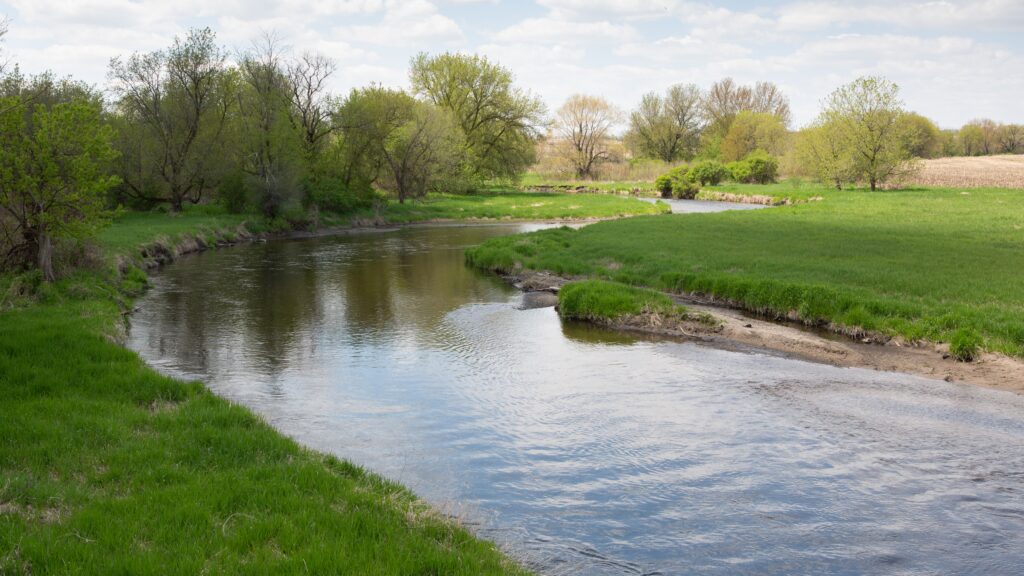
Phosphorus isn’t a villain. It’s essential, and it helps crops grow. The trouble starts when there’s too much of it in the wrong place. Excess phosphorus in lakes and streams fuels algae growth and impacts water quality, affecting aquatic life, public health, recreation, property values and the long-term health of local waters.
Adaptive management lets everyone in the watershed work together on a problem, like excess phosphorus, rather than each community solving it alone. The District continues to lead the WINS project that makes that possible, partnering with municipalities, county conservation staff and farmers. WINS’s latest support comes through cost-share funding and on-the-ground implementation with partners including the Dane County Land & Water Resources Department, Rock County Land Conservation Department, and Yahara Pride Farms.
The program continues to move its proven concept into practice, far enough along that U.S. EPA has featured it in case studies and the American Society of Civil Engineers named it a Water-Quality Game Changer.
The “WINS” keep adding up
In 2025, partners prevented 68,303 pounds of phosphorus runoff, exceeding the program’s annual target by more than 10,000 pounds. It was also the ninth full year the project has cleared its goal, helping set best practices for other utilities to follow.

The program also became the first utility-led watershed project in the country to sell carbon offset credits by quantifying the greenhouse gas emissions avoided when a utility works in the watershed rather than building additional treatment infrastructure. Working with Virridy, those avoided emissions translated into 24,143 verified credits, issued by Regen Registry.
And a new partnership with Agrograph is now underway, using aerial imagery to measure the extent to which conservation practices have been adopted across the watershed. Better information about what’s already in the ground means better decisions about where the next dollar goes.
“Reaching this level of continuous phosphorus reduction takes sustained commitment from our partners, including the farmers doing this work on the ground,” says Martye Griffin, Yahara WINS president and Ecosystem Services Manager at the District. “Year after year, that collaboration is what keeps us ahead of our targets — and we’ll keep adapting our approach to build on our successes and hopefully help other groups learn from us and do the same.”
Adaptive management works, and this watershed is the proof. The 2025 annual report and more about the program are at yaharawins.org.
Where the rest of us come in
The District funds the practices, and partners and farmers put them on the ground across the watershed, which includes parts of Columbia, Dane and Rock counties. The Yahara watershed drains into the Rock River and eventually the Mississippi River, meaning what happens here has ripple effects throughout down to the Gulf of Mexico.
Even if you aren’t part of the WINS program, there are simple things everyone can do to help keep excess phosphorus out of the watershed. Those include:
- Keep leaves and lawn debris out of the storm drain.
- Use phosphorus-free fertilizer.
- Point your downspouts toward lawn or garden instead of pavement.
- Install a rain barrel or rain garden to help even more.

If you farm, it comes down to keeping fertilizer and soil where they belong. That’s true whether or not your operation is part of Yahara WINS — it supports soil health, improves yield, and keeps nutrients out of the water.
If your community wants to learn more, or you are interested in joining the program as a WINS partner, reach out to the Watershed Programs Coordinator, Mike Gilbertson, to ask questions, learn about current participation opportunities, or start a conversation about joining Yahara WINS.
