

The District recently received our updated Wisconsin Pollutant Discharge Elimination System (WPDES) permit. This new set of guidelines goes into effect on May 1, 2026, ensuring our facility continues to operate at the highest environmental standards. To help break down what this means for District operations and our customer communities, here’s a helpful summary.
What is a WPDES Permit?
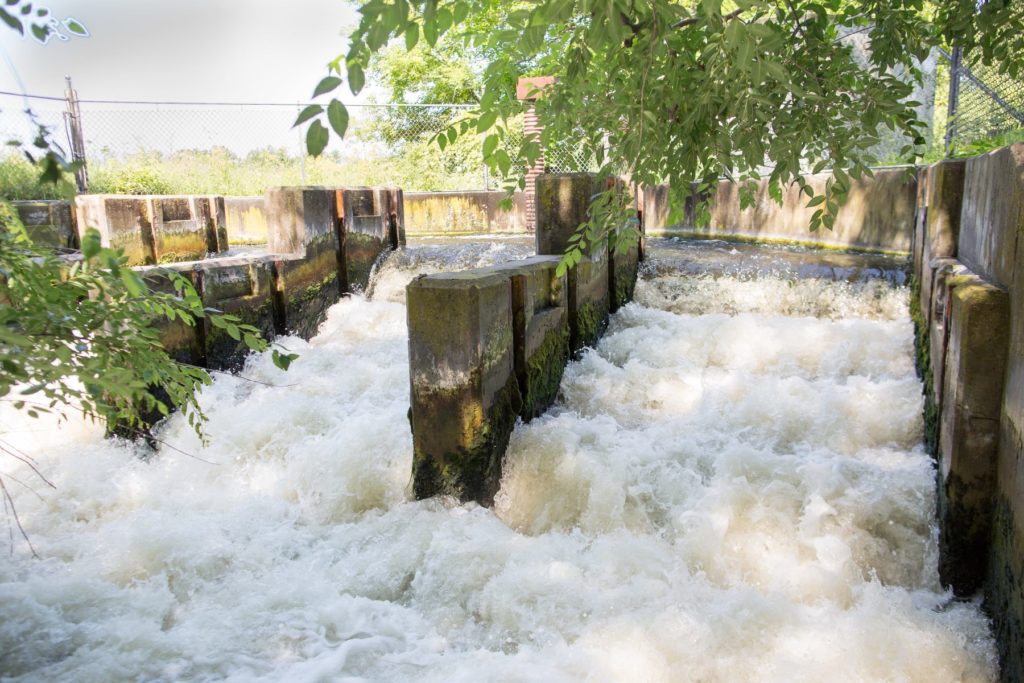
Think of the WPDES permit as our official “permission slip” from the State of Wisconsin for a five-year term. Issued by the Wisconsin Department of Natural Resources (WDNR) and overseen by the U.S. EPA, it dictates exactly how we must monitor and treat wastewater before it is released back into the environment.
The permit ensures that everything we do meets environmental and public health standards. Without this permit, the District couldn’t legally operate. Specifically, it governs how we:
- Clean wastewater to rigorous standards
- Recycle biosolids safely and responsibly
- Work with industries to prevent pollution at the source
- Protect Badfish Creek and the downstream aquatic ecosystems
New regulations and adjustments
Water quality rules evolve as science improves. The WPDES permit update reflects new statewide regulations and facility-specific adjustments designed to keep our local waters pristine.
- New statewide standards
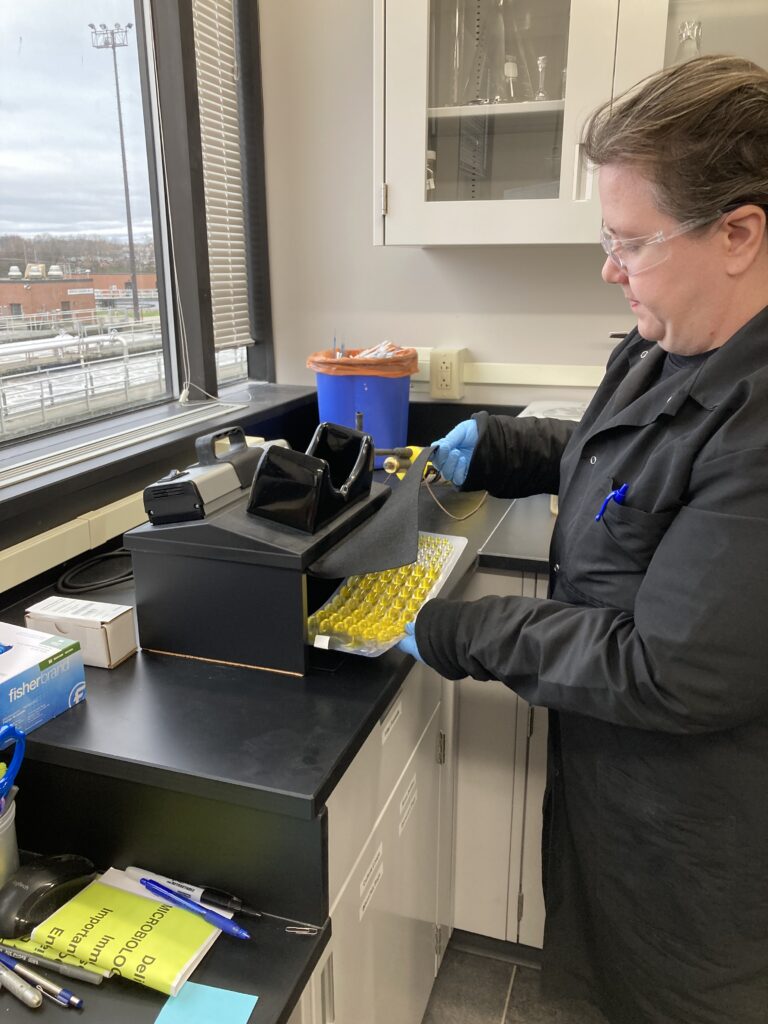
- PFAS monitoring and reporting: We will continue PFAS testing at the same frequency and now report the results to DNR to ensure we meet the new state requirements for surface water and land application of biosolids.
- New testing methods: WDNR rules have changed bacterial testing from fecal coliform to E. coli, providing a more standardized assessment of water safety.
- Whole Effluent Toxicity (WET) limits: Updated state calculation methods result in a lower WET limit, continuing to ensure our treated water is safe for fish and other aquatic life in Badfish Creek and beyond.
- Changes specific to the District
- Outfall consolidation: To meet statewide phosphorus discharge standards in Badger Mill Creek, WDNR has authorized the District to consolidate outfalls and discharge to a single location – Badfish Creek.
- Phosphorus: As part of WDNR’s statewide watershed planning efforts, the District’s location in the Yahara Watershed and the Rock River Basin that is subject to WDNR’s watershed plan (TMDL) requires our phosphorus limit to be lower than the limit in the last permit term.
- Adaptive management: Our Adaptive Management Plan updates were approved and remain central to our work in leading Yahara WINS, our watershed strategy to meet statewide phosphorus standards.
Navigating variances
Sometimes, meeting a standard immediately is technically or economically impossible. In these cases, the state grants a variance, a temporary period of flexibility. Here is where we stand:
- Chloride (salt): We are moving from separate seasonal variance limits to a single, lower annual limit. This means our salt-reduction efforts, like trainings for water softener plumbers and road salt applicators, are more important than ever.
- Mercury: Because of the District’s long-standing mercury source reduction program, which began over 20 years ago and has continued strongly, mercury levels in the influent and effluent have been consistently low. The state has removed our variance, and we no longer have a limit as we are expected to meet the statewide standard. We will continue monitoring, reporting, and continuing our source reduction efforts through the pollution minimization plan to maintain these high standards.
What this means
The updated permit reflects both regulatory progress and our ongoing dedication to environmental responsibility. The District will continue protecting local waterways, including Badfish Creek; increase monitoring of emerging contaminants like PFAS; reduce pollutants, such as salt and phosphorus; and reaffirm its commitment to transparency and environmental stewardship.
“This permit is more than just a regulatory requirement; it’s a reflection of our evolving understanding of water quality and our responsibility to the ecosystem,” says Martye Griffin, District Ecosystem Services Manager. “By modernizing our testing methods and following these standards, we are helping to ensure that local waterways remain healthy and vibrant for generations to come.”
For more information about the WPDES program, visit the WDNR website.
